The CAU Medical School conducted a state graduation assessment for its students, incorporating standardized patients, electronic medical documentation, and independent expert evaluation.
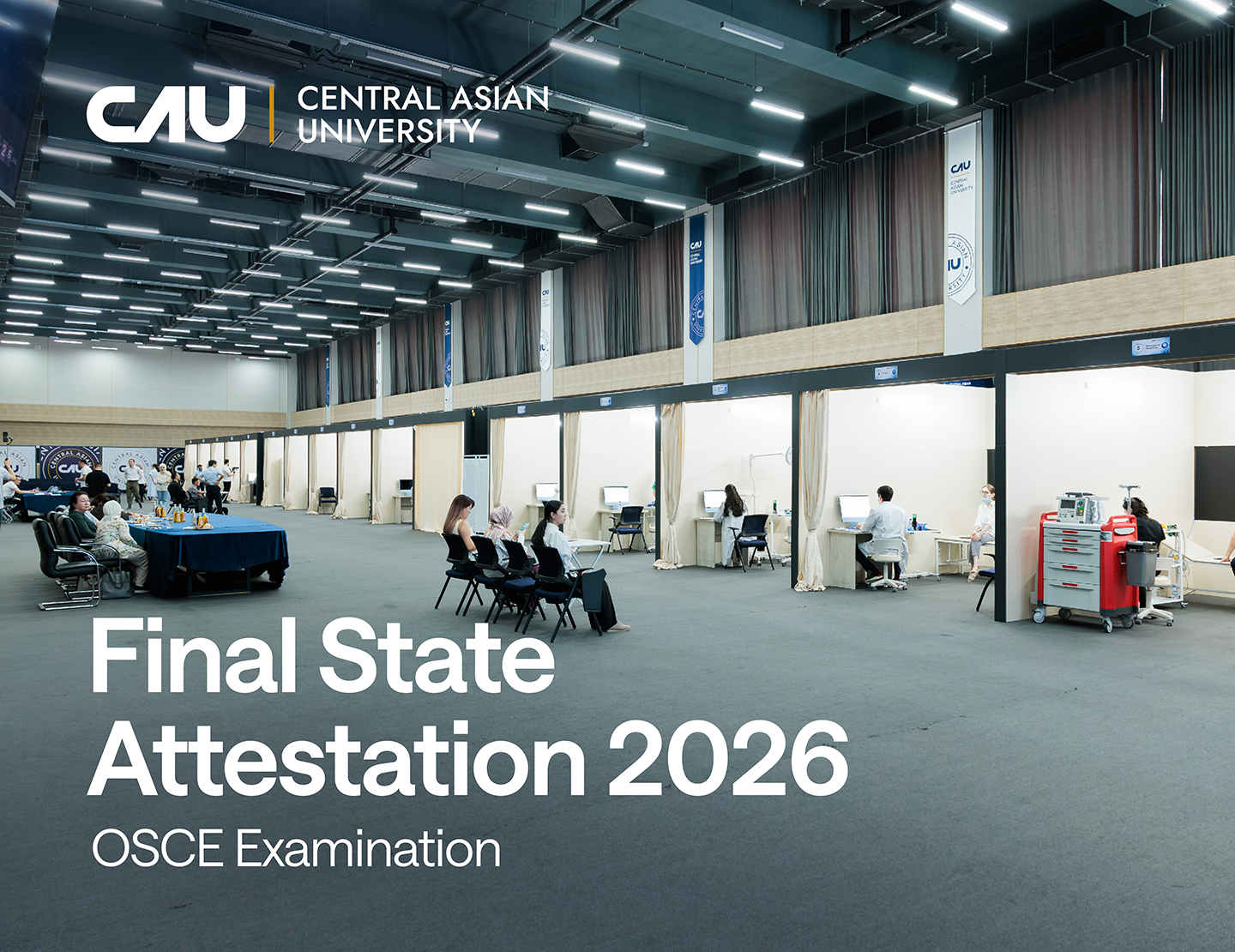
Central Asian University held the final state attestation of Medical School graduates in a full OSCE (Objective Structured Clinical Examination) format using standardized patients - one of the most advanced and globally recognized methods for evaluating the clinical readiness of future physicians.
Central Asian University held the final state attestation of Medical School graduates in a full OSCE (Objective Structured Clinical Examination) format using standardized patients - one of the most advanced and globally recognized methods for evaluating the clinical readiness of future physicians.
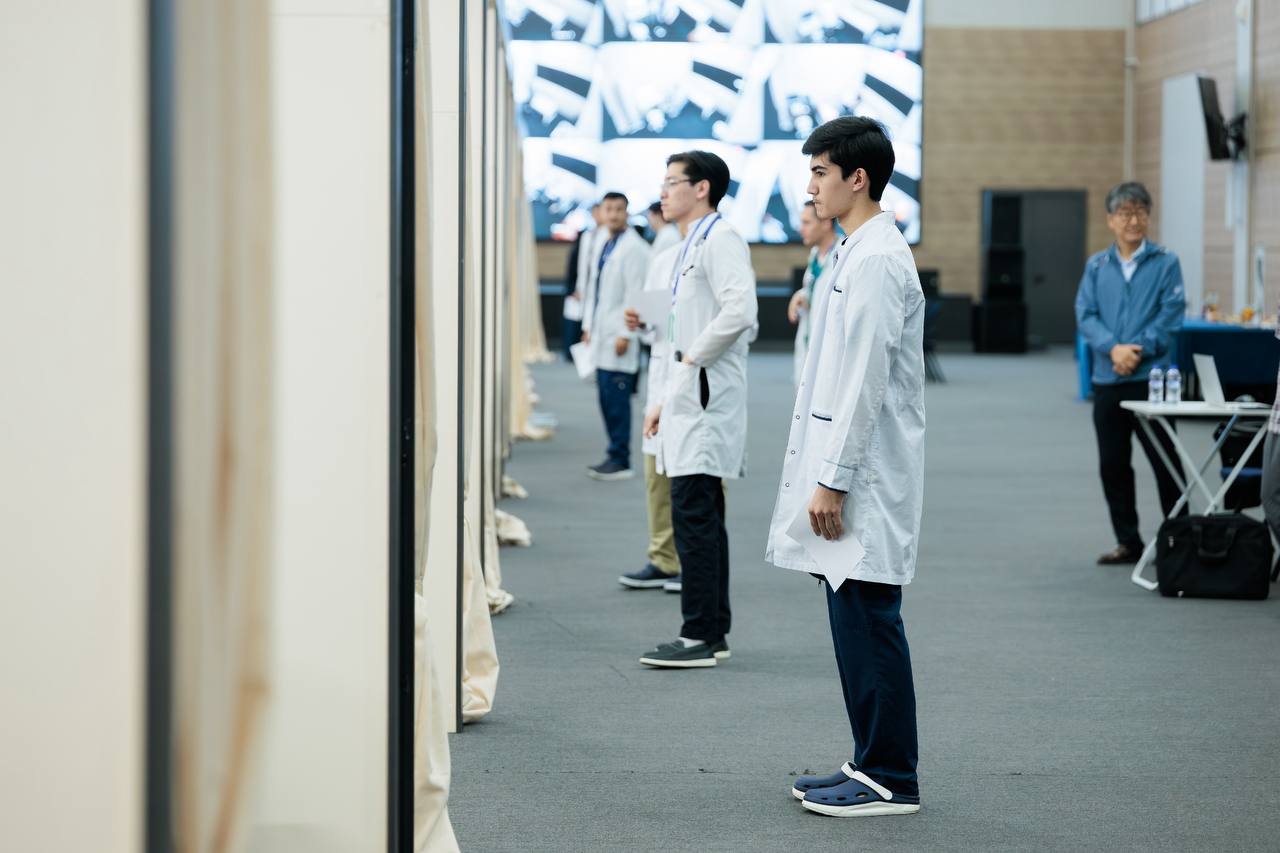
The examination assessed not only theoretical knowledge and skills, but also the ability to apply them in clinical situations, make decisions, interact with patients, and perform under conditions closely mirroring real medical practice.

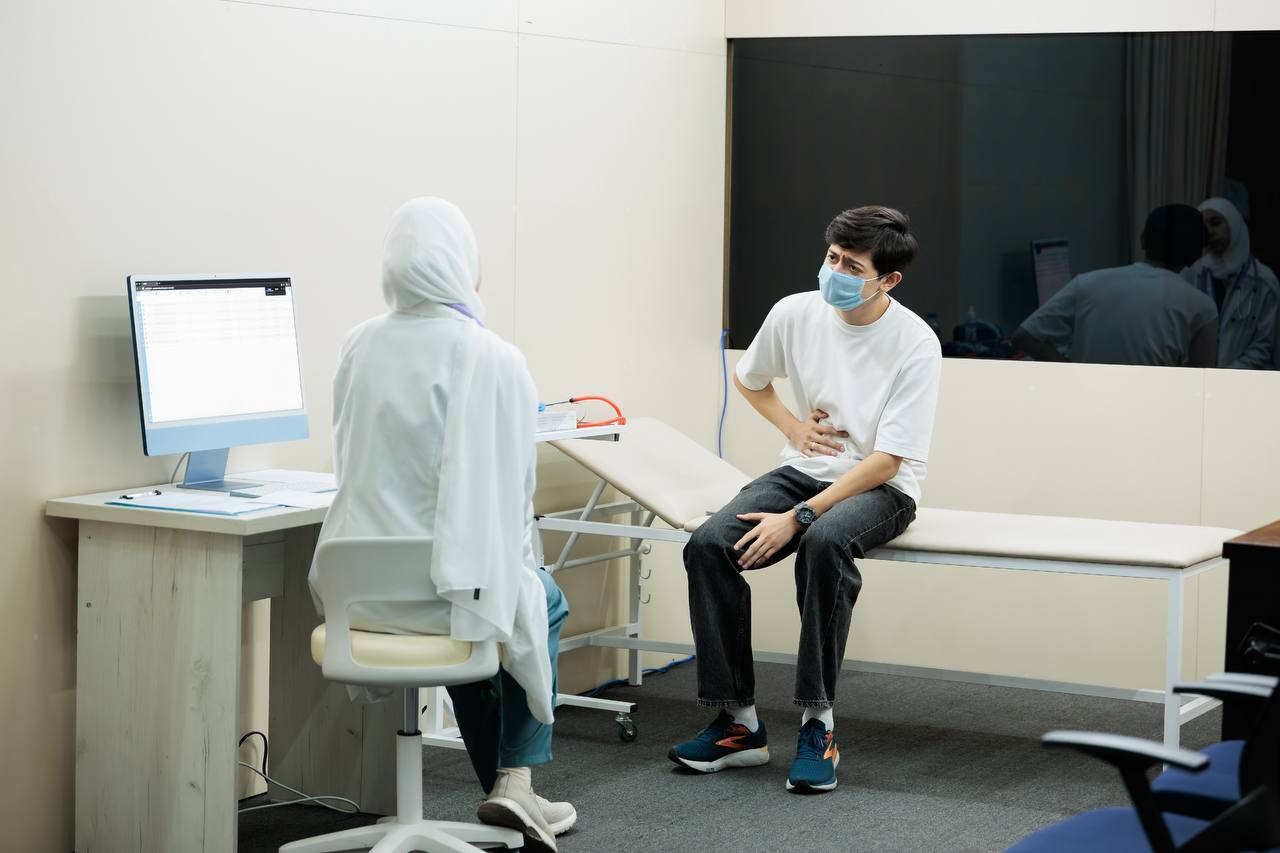
Each graduate completed a series of examination stations simulating various clinical scenarios. The “patients” were standardized patients who accurately portrayed the symptoms and characteristics of specific medical conditions.
At each station, students were required to conduct a complete patient consultation: establish rapport, collect the patient’s complaints and medical history, perform a physical examination, determine the appropriate diagnostic workup, formulate a preliminary diagnosis, and document all findings in an electronic medical record system.Each graduate completed several examination stations simulating various clinical scenarios. Trained standardized patients accurately reproduced symptoms and characteristics of specific conditions. At each station, students were required to conduct a full patient encounter: establish rapport, gather complaints and medical history, perform a physical examination, determine a diagnostic plan, formulate a preliminary diagnosis, and document findings in an electronic medical record.
At each station, students were required to conduct a complete patient consultation: establish rapport, collect the patient’s complaints and medical history, perform a physical examination, determine the appropriate diagnostic workup, formulate a preliminary diagnosis, and document all findings in an electronic medical record system.Each graduate completed several examination stations simulating various clinical scenarios. Trained standardized patients accurately reproduced symptoms and characteristics of specific conditions. At each station, students were required to conduct a full patient encounter: establish rapport, gather complaints and medical history, perform a physical examination, determine a diagnostic plan, formulate a preliminary diagnosis, and document findings in an electronic medical record.
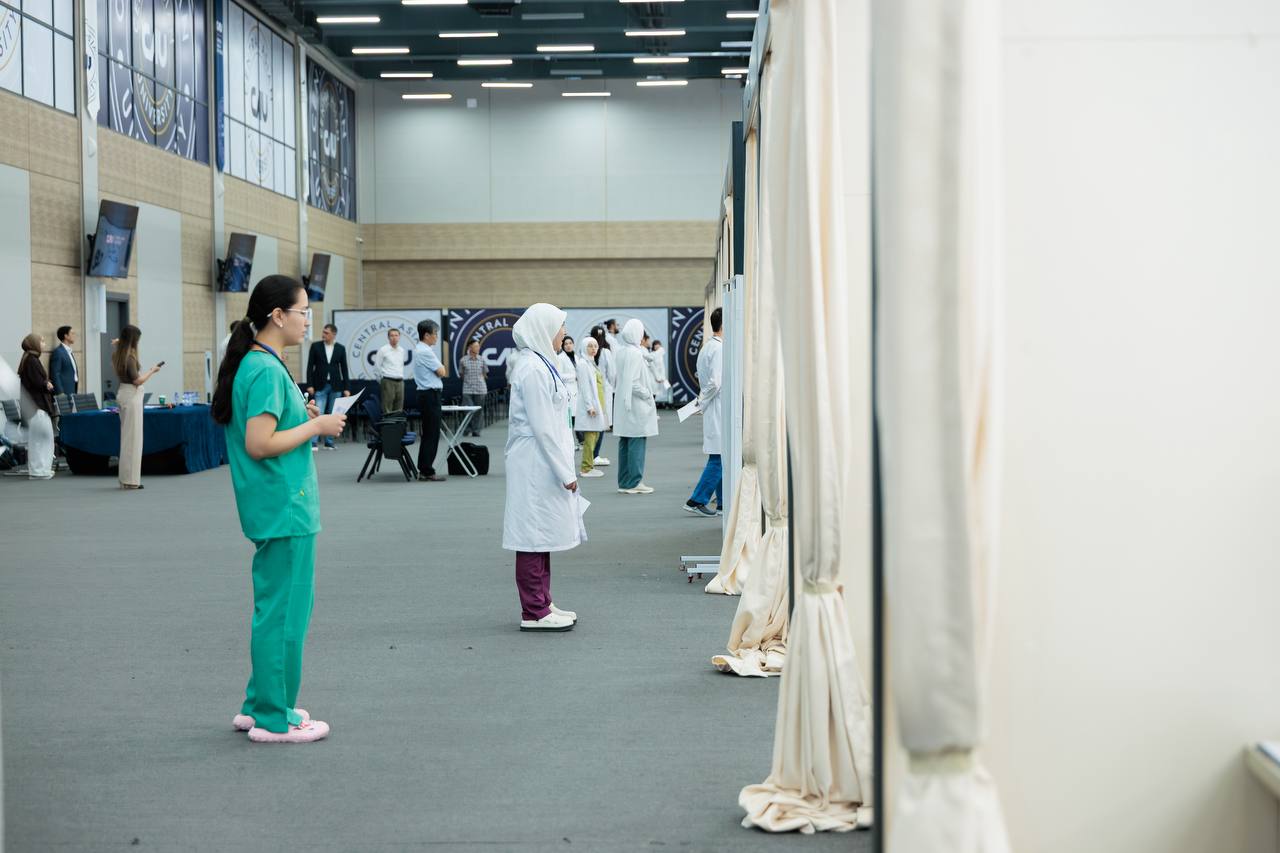
“One of the key features of the examination was its high level of objectivity,” said Murodbek Akhrorov, Dean of the CAU Medical School. “During each station, only the student and the standardized patient were present in the room. Examiners and observers assessed students’ performance remotely through a video monitoring system and from specially equipped observation rooms with one-way mirrors, without interfering in the process. In addition, artificial intelligence tools were used throughout the assessment to analyze the structure of the clinical encounter, the quality of patient communication, and the completeness of the required clinical actions. This multi-layered approach enhanced the objectivity of the evaluation and ensured its alignment with modern international standards.”

According to Rahim Zakirov, Vice Dean of the CAU Medical School, this assessment format reflects global changes in medical education:
“Today, medical education worldwide is shifting from a knowledge- and skills-based approach to a competency-based model. Future physicians must be able not only to understand theory, but also to apply it in real clinical practice, make informed decisions, and communicate effectively with patients. These are precisely the competencies we assess during the examination,” he said.
“Today, medical education worldwide is shifting from a knowledge- and skills-based approach to a competency-based model. Future physicians must be able not only to understand theory, but also to apply it in real clinical practice, make informed decisions, and communicate effectively with patients. These are precisely the competencies we assess during the examination,” he said.
A distinctive feature of the CAU state attestation was the expansion of the classic OSCE format. In addition to standard clinical stations, graduates completed emergency medical care scenarios and demonstrated practical skills on modern medical simulators and mannequins.

The assessment was observed by invited experts from Uzbekistan’s healthcare and medical education sectors, including representatives of the Ministry of Health, the academic community, and leading medical universities across the country.
Among the invited experts were Elmira Basitkhanova, Adviser to the Minister of Health of the Republic of Uzbekistan on Maternal and Child Health; Talat Saatov, Academician and Doctor of Biological Sciences; Dilorom Najmidinova, Professor at Tashkent State Medical University; Rikhsi Salikhodjaeva, Chief Nursing Specialist at the Ministry of Health; and Gulnora Yusupalieva, Head of the Department of Medical Radiology at the Tashkent Pediatric Medical Institute.
Among the invited experts were Elmira Basitkhanova, Adviser to the Minister of Health of the Republic of Uzbekistan on Maternal and Child Health; Talat Saatov, Academician and Doctor of Biological Sciences; Dilorom Najmidinova, Professor at Tashkent State Medical University; Rikhsi Salikhodjaeva, Chief Nursing Specialist at the Ministry of Health; and Gulnora Yusupalieva, Head of the Department of Medical Radiology at the Tashkent Pediatric Medical Institute.
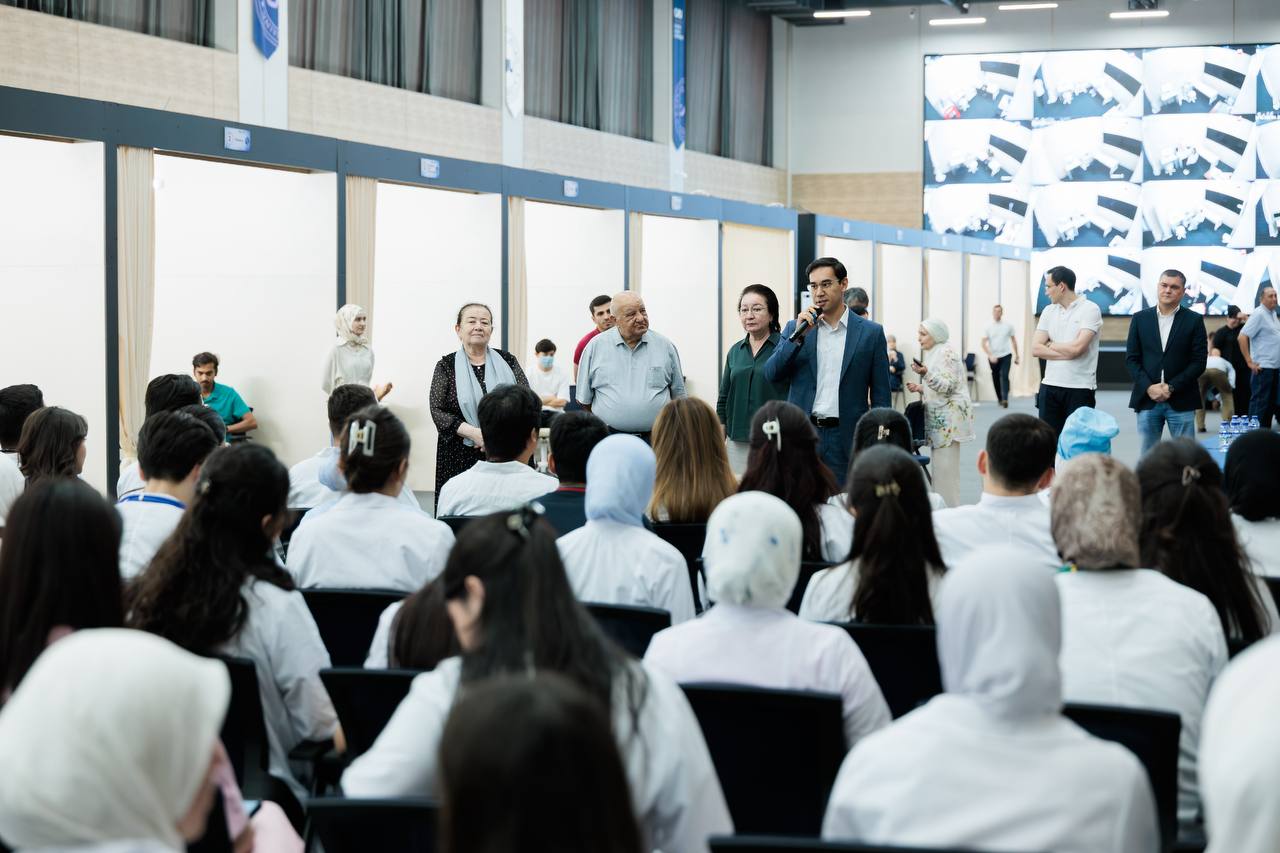
“In all my years working in the healthcare system, this is the first time I have witnessed a final state attestation of medical graduates in such a format. The examination is as close to real clinical practice as possible. It assesses not only knowledge, but also the future physician’s ability to communicate with patients, make decisions, and act in specific clinical situations. It is especially important that transparency and objectivity of assessment are ensured. This approach meets modern international standards for medical training,” said Elmira Basitkhanova, Advisor to the Minister of Health of the Republic of Uzbekistan on Maternal and Child Health.

Special attention during the examination was given to communication skills, medical ethics, and the physician’s ability to build a trusting relationship with the patient. Assessment was conducted according to unified standardized criteria, enabling a comprehensive evaluation of each graduate’s level of preparation.
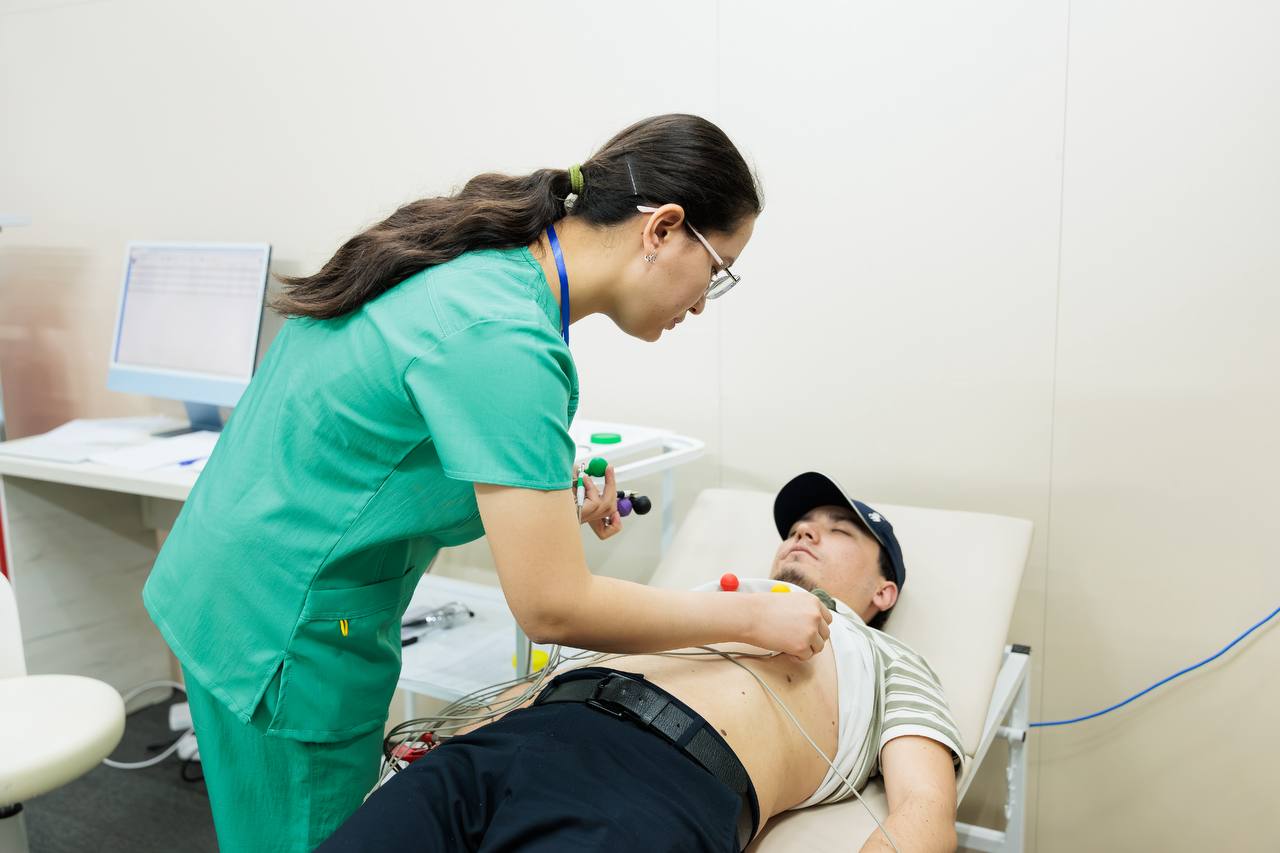
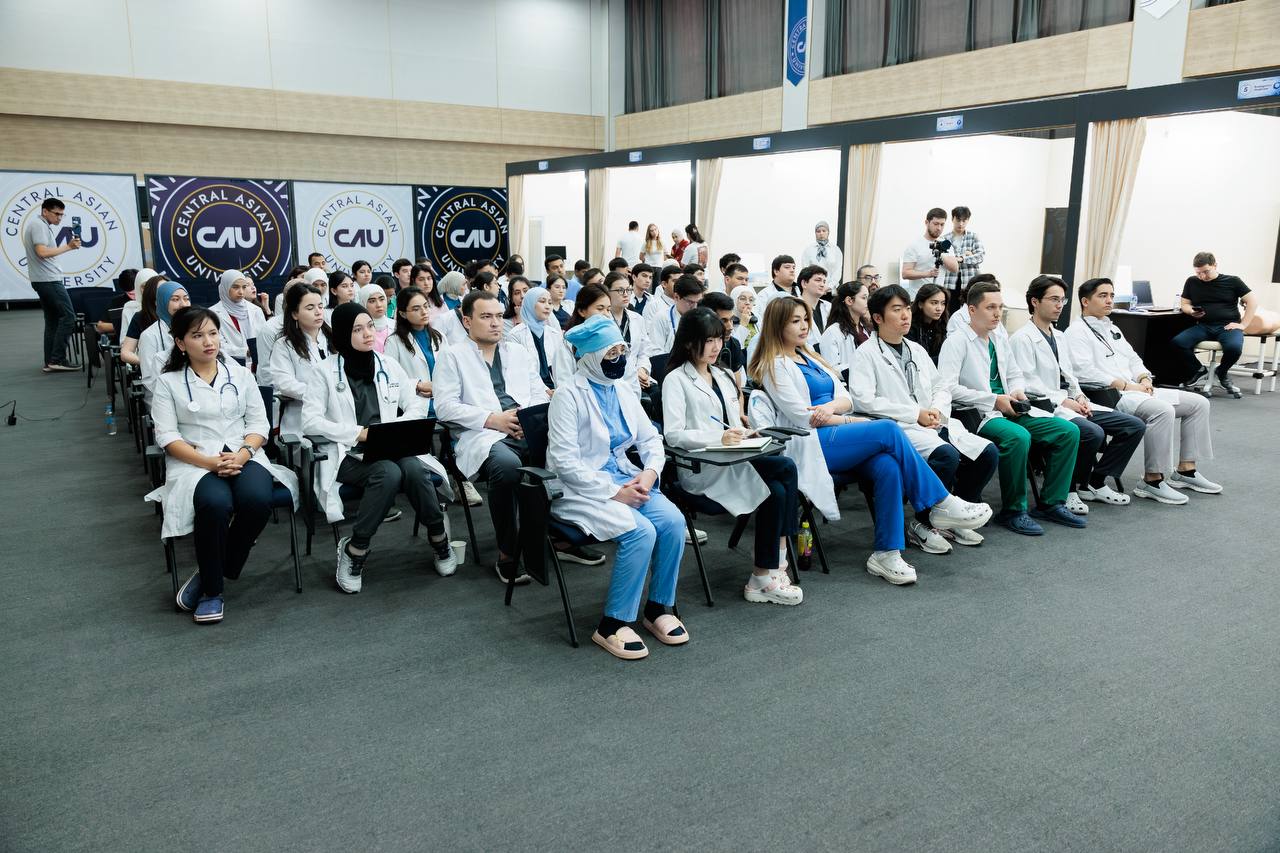
The implementation and continuous enhancement of the OSCE format are part of Central Asian University’s strategy to advance medical education in line with international standards. The University consistently adopts modern educational technologies and assessment methods aimed at preparing physicians who are ready to meet the demands of today’s healthcare system.
Admissions to Central Asian University are now open. This is an opportunity to become part of a university where education is built on practical experience, international best practices, and real career opportunities.
Admissions Office Contact: (+998) 71-208-12-34
Instagram
Telegram
Admissions to Central Asian University are now open. This is an opportunity to become part of a university where education is built on practical experience, international best practices, and real career opportunities.
Admissions Office Contact: (+998) 71-208-12-34
Telegram