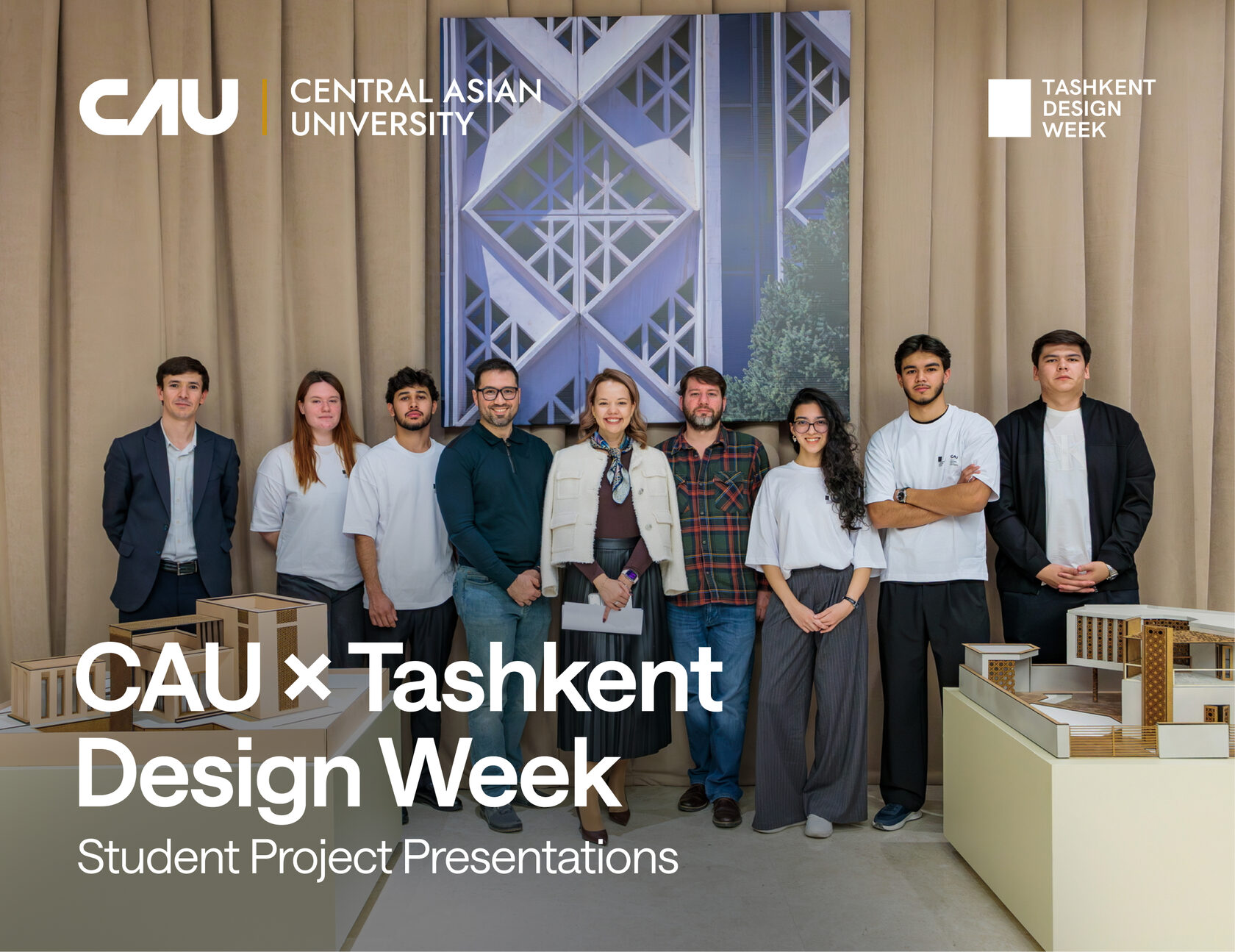
Central Asian University (CAU) was the educational partner of Tashkent Design Week 2026. The University showcased projects by students of its School of Architecture and Design, while CAU faculty members contributed to the festival’s Public Talks programme. The University’s participation highlighted how architectural education is evolving in response to global challenges, including urbanisation, climate change and advances in digital technologies.
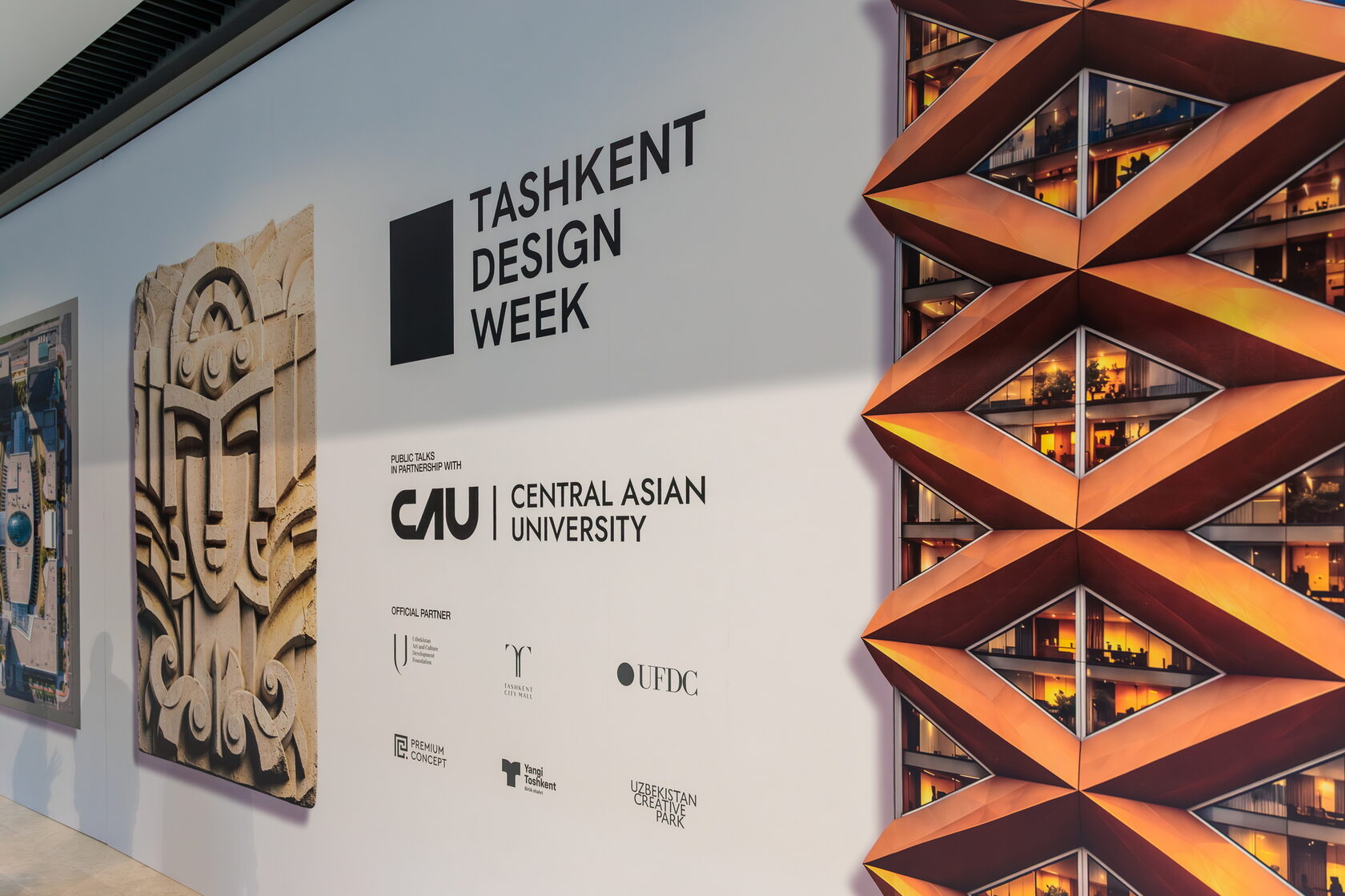
Taking place in Tashkent from 26 October to 1 November, Tashkent Design Week 2026 brings together professionals from architecture, design and the creative industries. This year’s festival focuses on the development of New Tashkent and the role of design in shaping the contemporary city. Against the backdrop of the capital’s large-scale transformation, preserving architectural identity, reinterpreting cultural heritage and developing solutions that respond to the needs of modern urban environments have become increasingly important.
The festival’s Public Talks programme brought together local and international experts to discuss the future of urban environments, the development of an architectural design language, and approaches to design that account for the region’s cultural, climatic and social characteristics.
Student Projects: Tradition Meets Contemporary Design
The CAU exhibition featured three student concepts: Arc House, Naqsh House and Mis Tower.
The projects demonstrate an approach to architecture that begins with understanding the context, analysing the surrounding environment and developing solutions that address functional, climatic and social requirements. Traditional architectural principles served as an important source of inspiration.
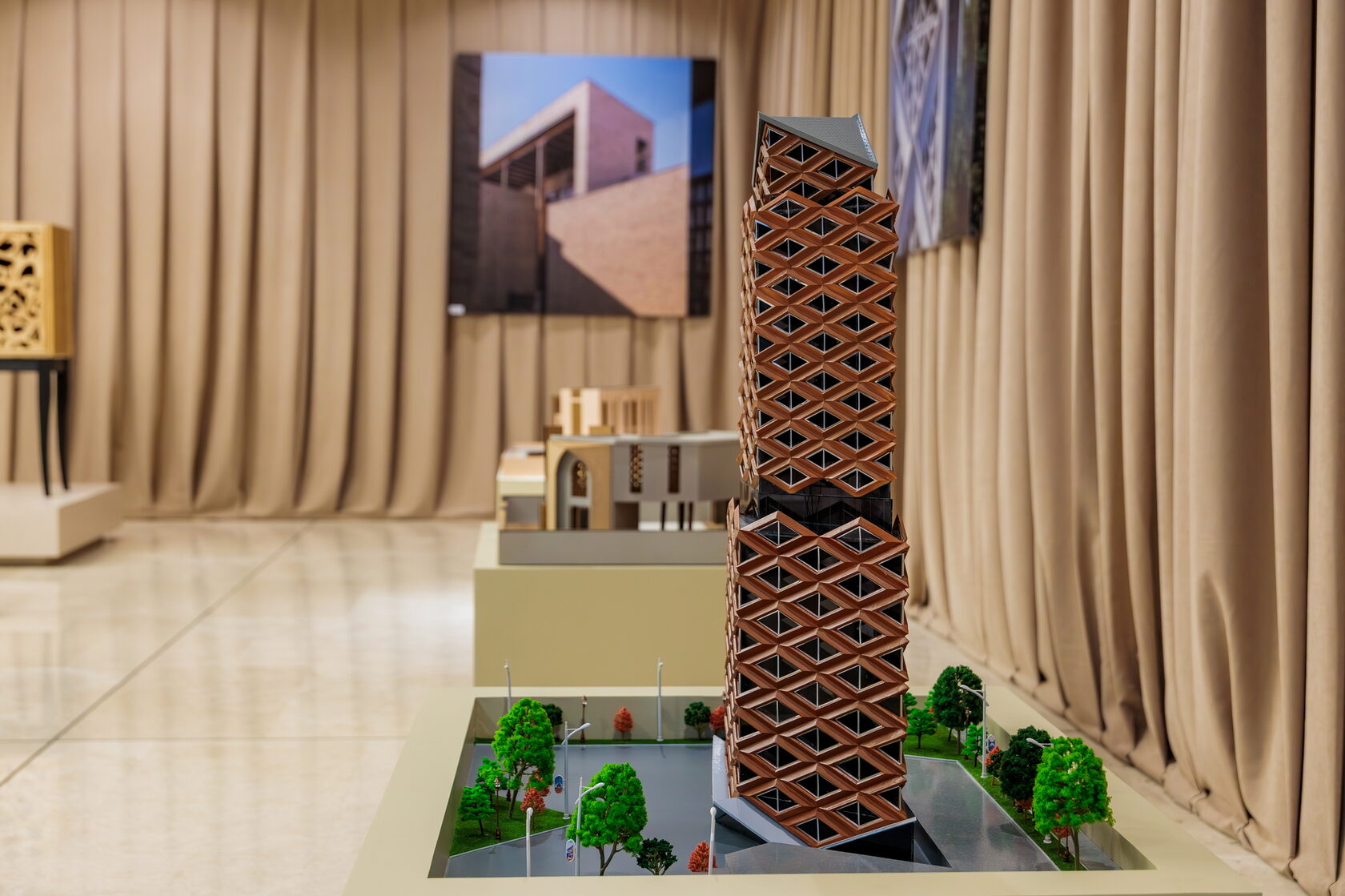
For example, the Mis Tower project reinterprets the panjara, a traditional latticework element in Uzbek architecture that allows light and air to pass through while providing shade.
“We wanted to show that traditional architecture is not just about ornaments and recognisable forms. Behind them lie principles of spatial organisation and the use of light, water and shade that remain relevant today,” said Jasmin Mamadjanova, a student at CAU’s School of Architecture and Design.
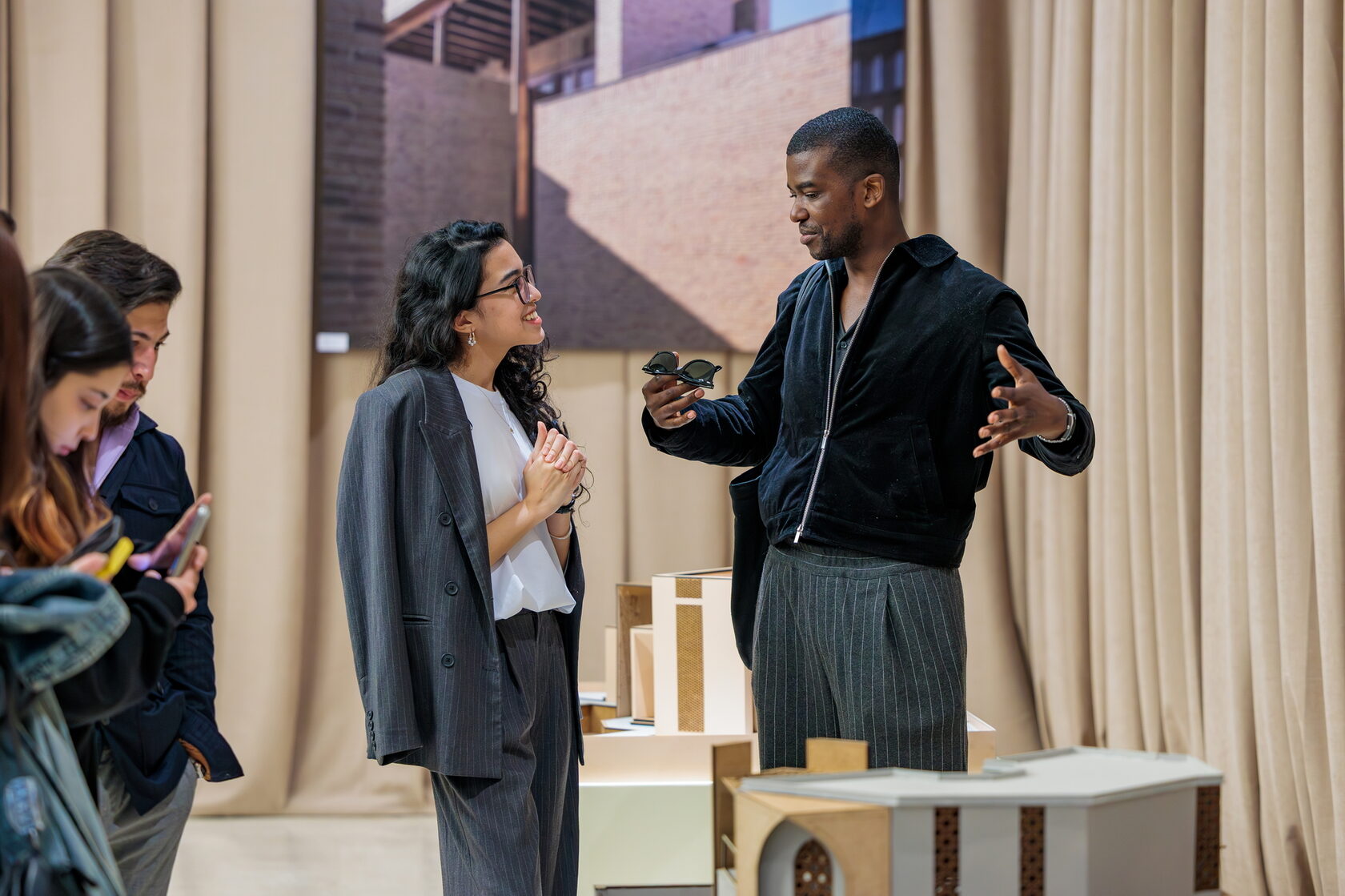
For the students, Tashkent Design Week offered an opportunity to present their work to the professional community and explore how the knowledge gained at university can be applied in practice. CAU’s educational approach combines professional training with the development of students’ ability to address architectural challenges across different cities and regions.
CAU at Public Talks
Elmira Galiyeva, Head of the Department of Architecture and Design at CAU, delivered a presentation on how urbanisation, climate change and digital technologies are transforming the architectural profession and reshaping the skills required of future specialists.
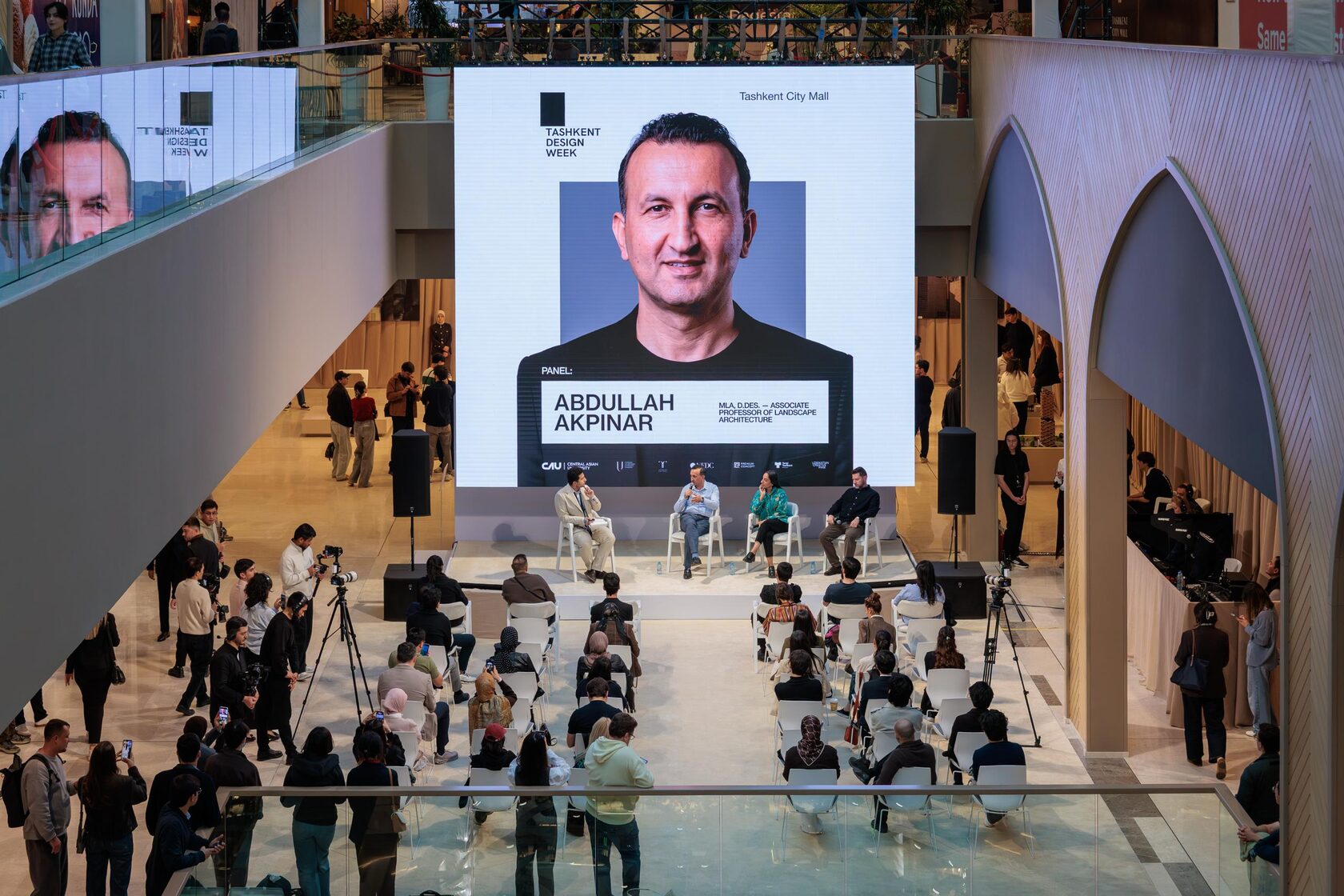
Her presentation explored the role of artificial intelligence, parametric modelling and digital twins, as well as approaches to improving the environmental performance of buildings. It highlighted the importance of adapting architectural education to technological advances and the evolving needs of urban environments.
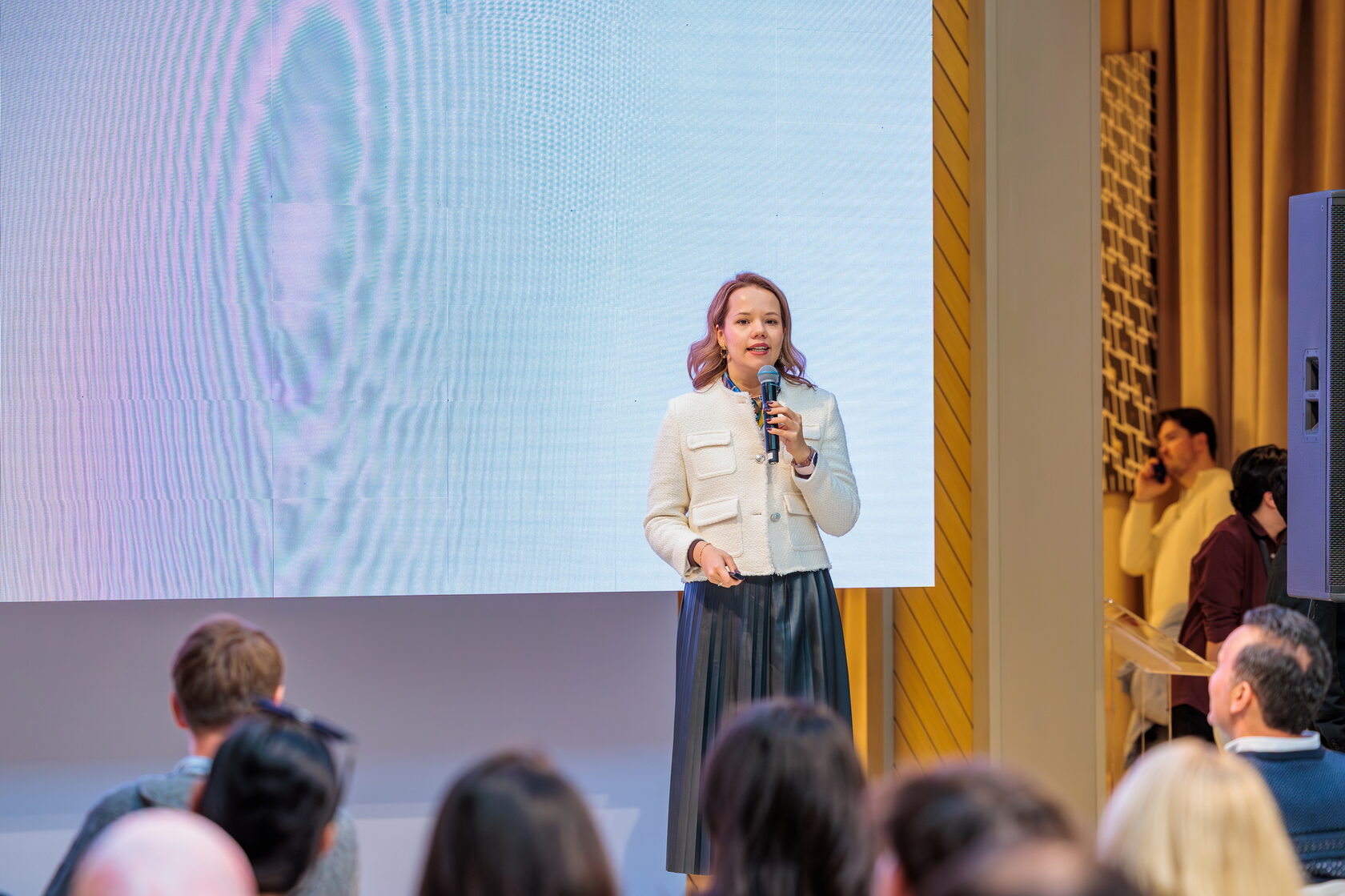
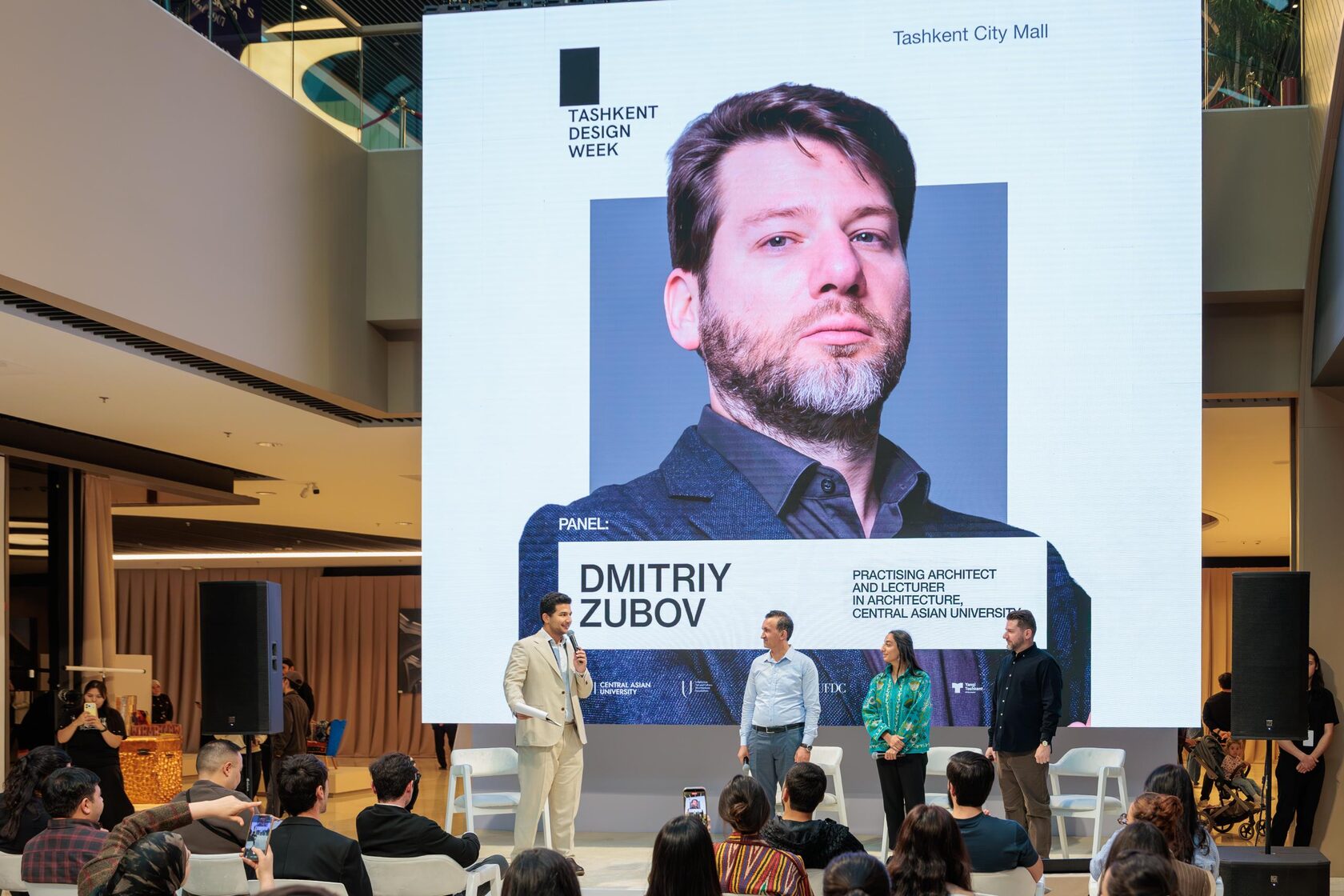
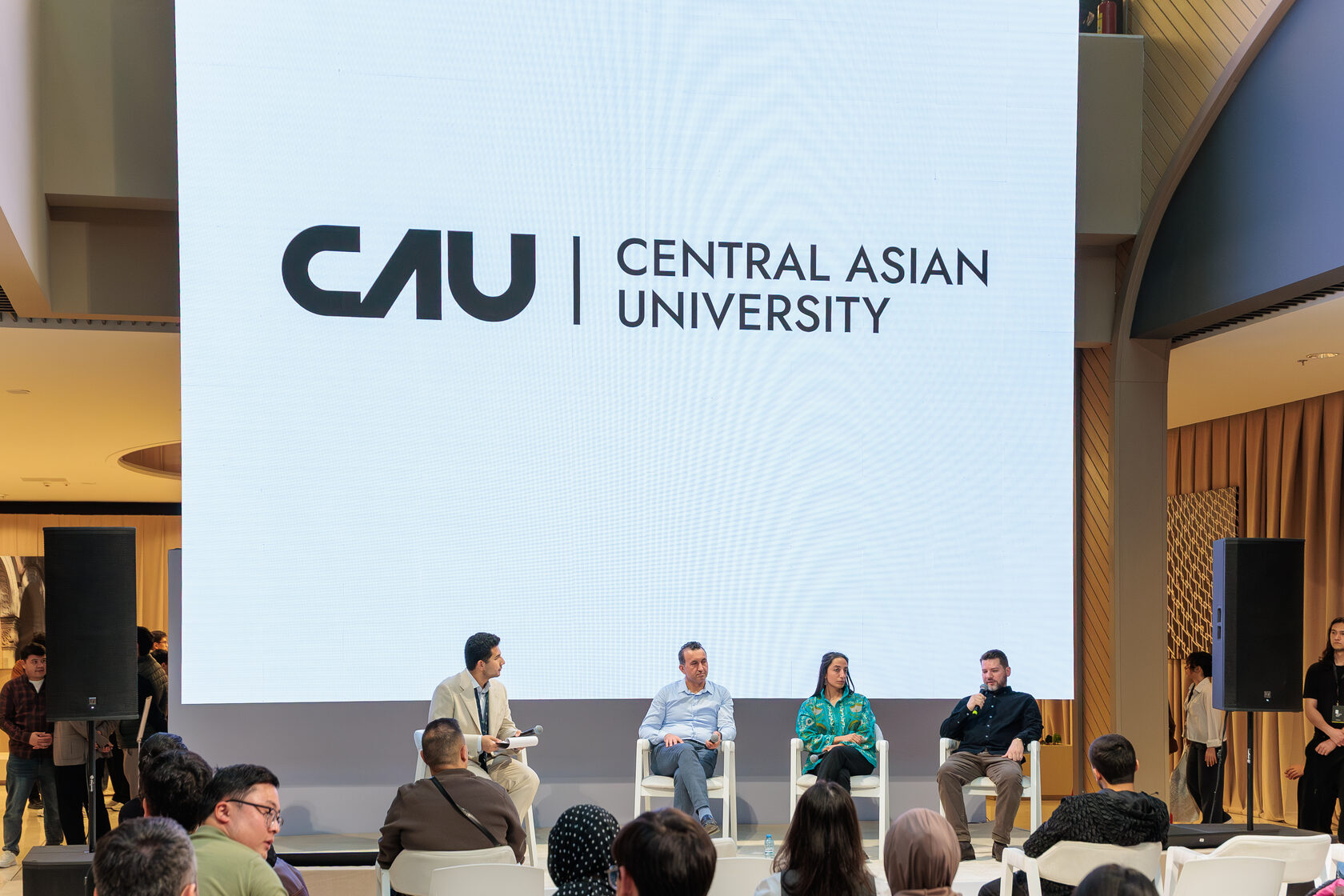
CAU faculty members also participated in the panel discussion “New Tashkent and the Materialisation of Contemporary Identity.” The panellists included practising architect Dmitriy Zubov, Assistant Professor Ansam Bzour and Associate Professor Abdullah Akpinar. They discussed the relationship between architecture, landscape design and urban development, as well as ways to preserve cultural identity while creating new urban spaces.
CAU’s participation in Tashkent Design Week 2026 highlighted the School of Architecture and Design’s commitment to connecting academic learning with professional practice. By exploring traditional architectural principles, engaging with emerging technologies and addressing real-world urban challenges, CAU students and faculty contribute to shaping the future of architecture in Uzbekistan and beyond.
This approach equips future architects to develop solutions that respond to local conditions while remaining relevant to other urban contexts, using traditional architectural principles as a foundation for understanding cultural identity and reinterpreting it for the future.