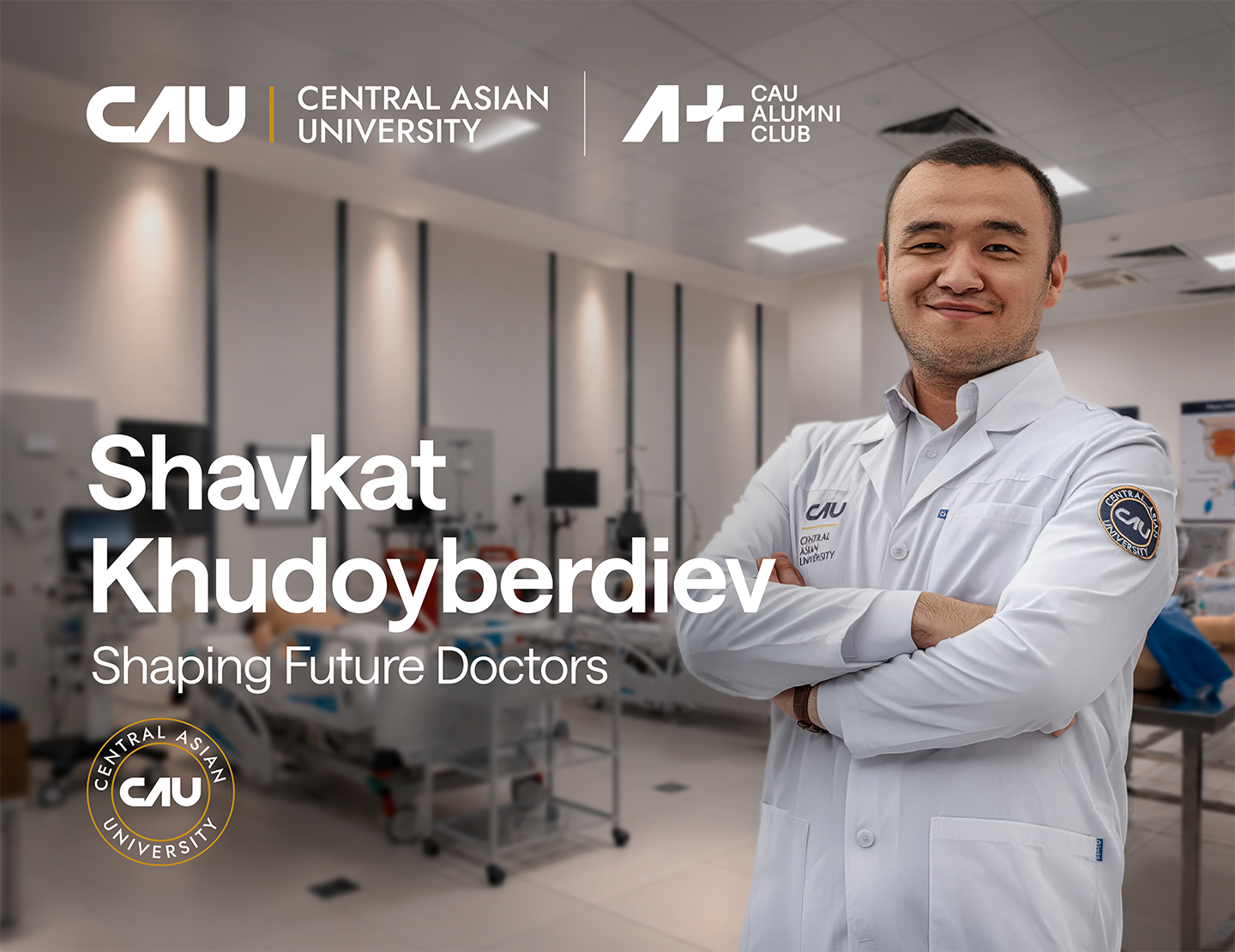
Shavkat Khudayberdiev is a 2025 graduate of the Medical School at the Central Asian University. Today, he works as a Medical Simulation Centre Assistant, helping prepare future physicians, contributing to scientific research, and presenting his work at international conferences.
His journey ia a story of how family tradition, a commitment to lifelong learning, and the opportunities provided by Central Asian University transformed his interest in medicine into a successful professional career.
Shavkat grew up in a family of physicians spanning four generations. From an early age, his parents instilled in him a sense of responsibility, discipline, and respect for the medical profession. However, after graduating from the Academic Lyceum of the University of World Economy and Diplomacy, he seriously considered pursuing a career in law. Over time, he realized that medicine was the only field that allowed him to combine all of his interests — treating patients, conducting research, educating future healthcare professionals, and contributing to the advancement of medical education.
“I realized that medicine allows me to combine several passions at once. I can be a physician, teach future healthcare professionals, and contribute to the development of medical education.”
When choosing a university, Shavkat was looking for an institution where a strong academic foundation would be combined with hands-on practical experience. That is why he chose Central Asian University. According to him, CAU faculty members are not only highly qualified professionals but also exceptional educators who make even the most complex medical concepts easy to understand. The curriculum is designed to ensure that theoretical knowledge is immediately reinforced through practical training.
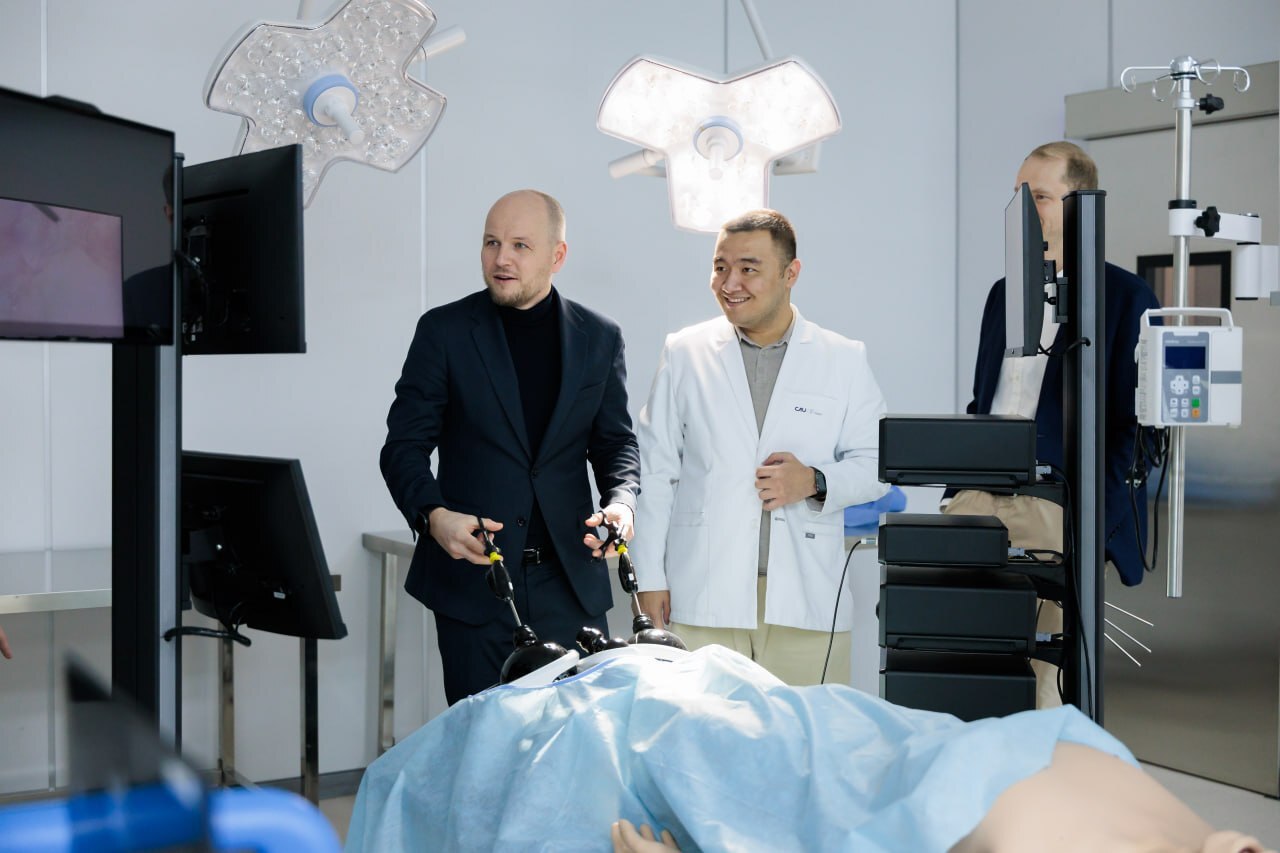
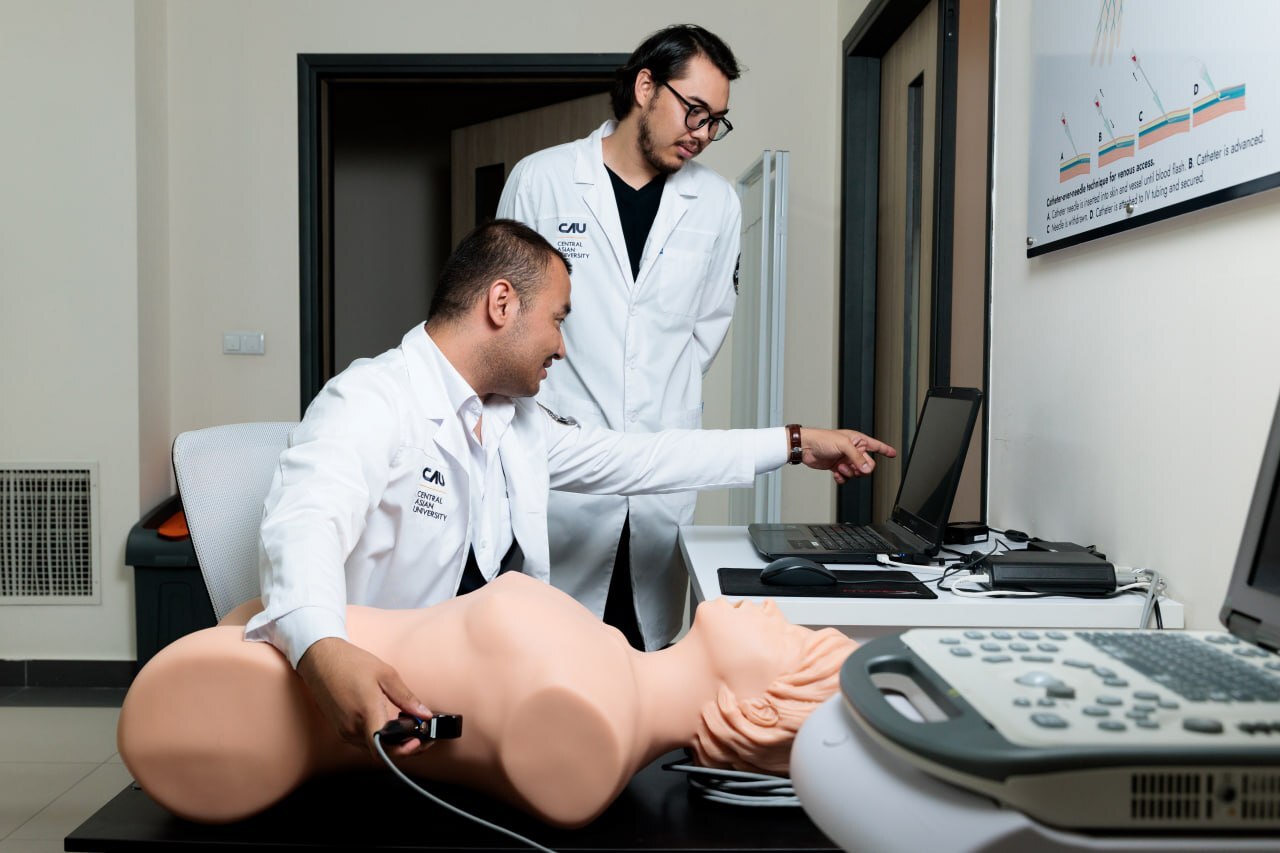
Like many first-year students, Shavkat initially had only a general understanding of what it meant to become a doctor. His true understanding of the profession developed during clinical rotations, his work at the Medical Simulation Centre, participation in research projects, and attendance at international conferences. These experiences not only strengthened his professional skills but also taught him how to work effectively in a team, communicate with colleagues, and make decisions in environments that closely simulate real clinical practice.

“The university taught me to think critically. Just because the solution isn't obvious doesn't mean it doesn't exist. Sometimes you simply need to look at the situation from a different perspective.”
Medical Simulation Centre. His dedication, responsibility, and eagerness to grow did not go unnoticed. After graduation, he was invited to join the university team as a staff member. Today, he helps organize simulation-based training, supports educational initiatives, contributes to research projects, and works every day to further enhance the quality of medical education for future physicians.
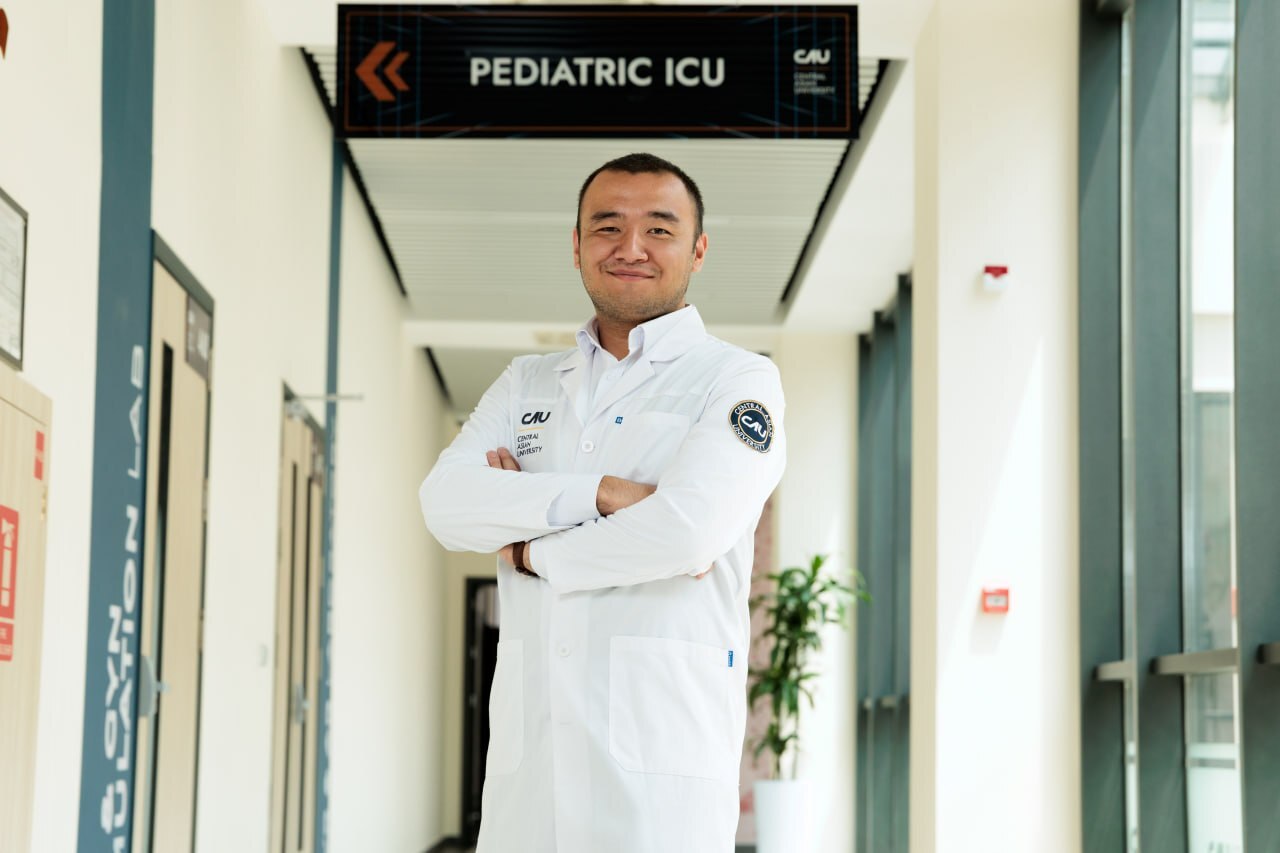
Mentorship has played a particularly important role in his professional development. One experience stands out vividly in his memory. After making a mistake, instead of criticizing him, his supervisor said, "I am responsible for you, which means the mistake is mine." Those words became Shavkat's example of true leadership and mentorship, teaching him to take responsibility not only for himself but also for the people around him.
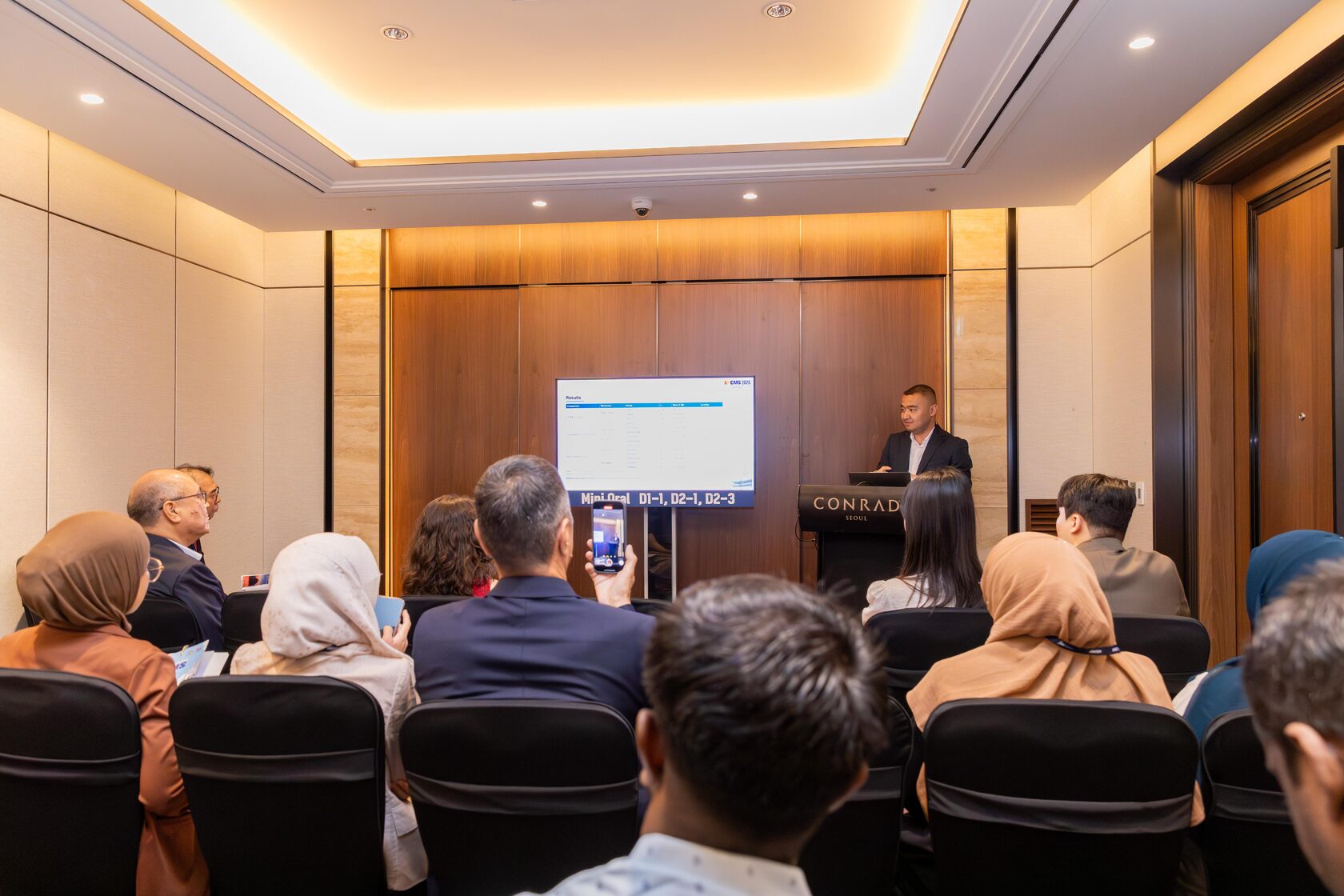
Research continues to be an important part of his professional journey. One of his most significant achievements was presenting his research at the Interdisciplinary Horizons in Microbiota Connections international conference in Seoul. His study focused on the upper respiratory tract microbiota in patients with severe bronchial asthma.
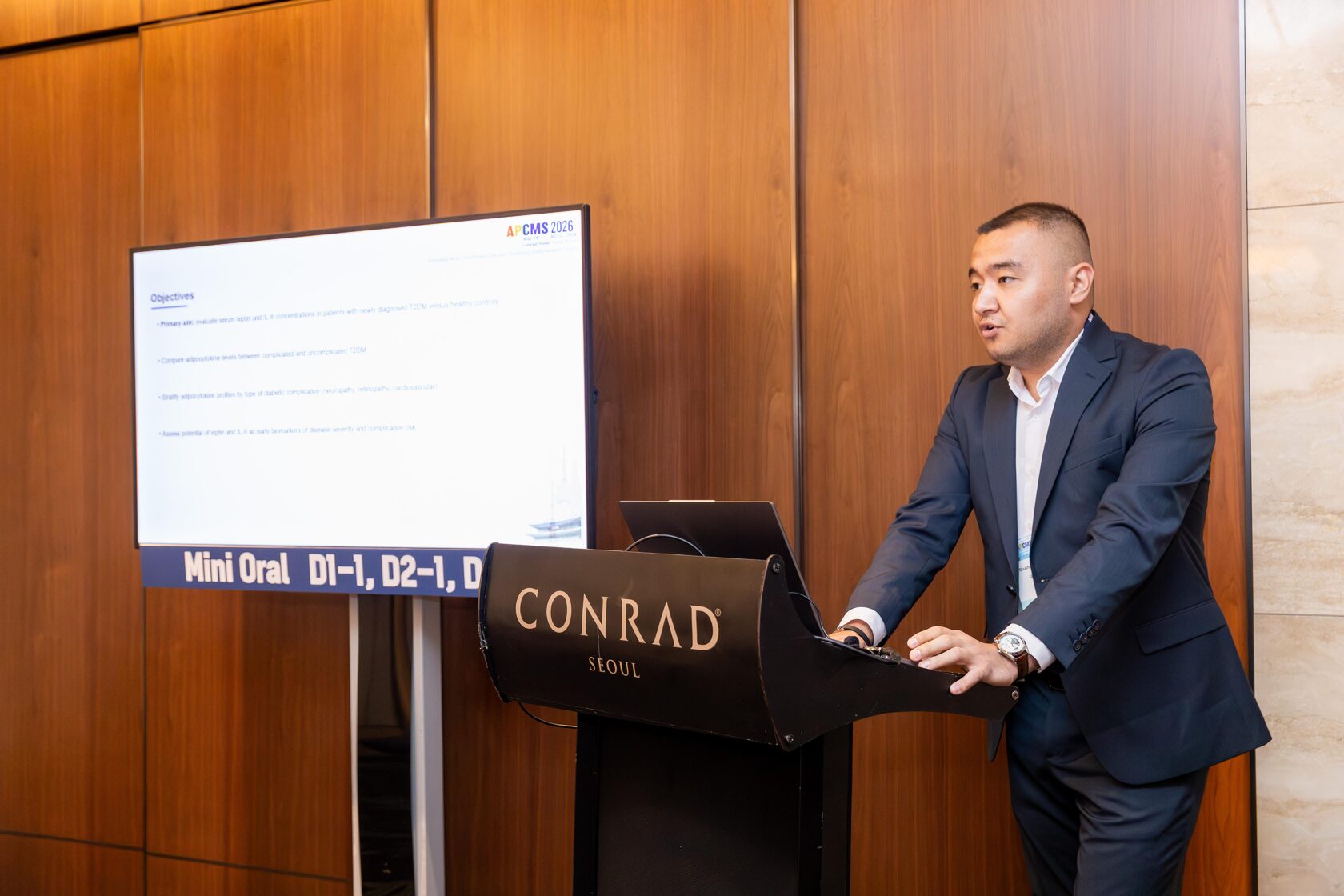
The findings have the potential to contribute to improving the diagnosis and treatment of the disease, while his participation in the conference demonstrated that research initiated at Central Asian University is gaining recognition on the international stage.
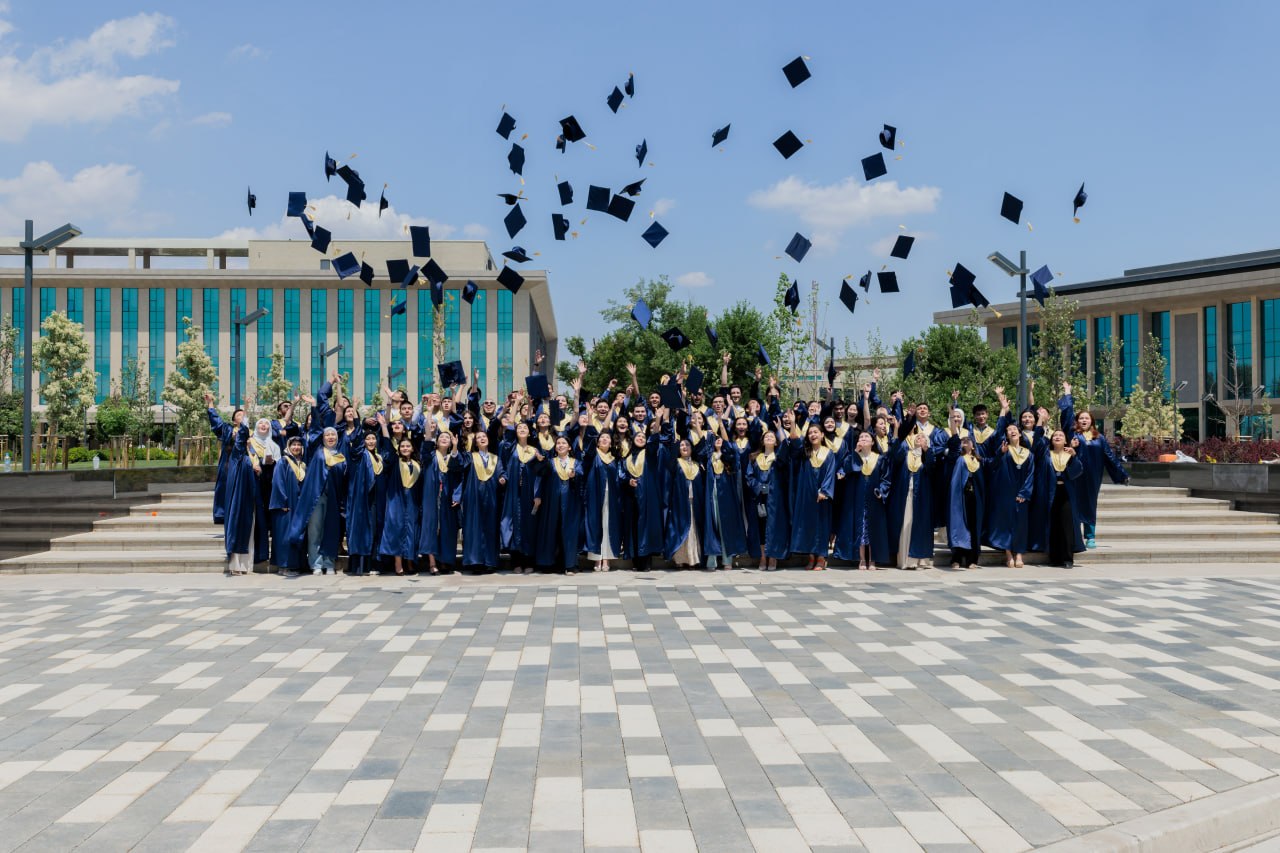
According to Shavkat, what distinguishes Central Asian University graduates is their strong practical training, ability to adapt quickly to professional environments, and continuous commitment to personal and professional growth.
He believes that the greatest challenge at the beginning of a medical career is mastering the enormous amount of knowledge required of every future physician. Yet, in his view, overcoming this challenge depends not on motivation but on genuine passion for the profession.
"Motivation comes and goes. What matters far more is truly loving what you do. When you're passionate about your work, studying stops feeling like an obligation and becomes a natural part of your life."
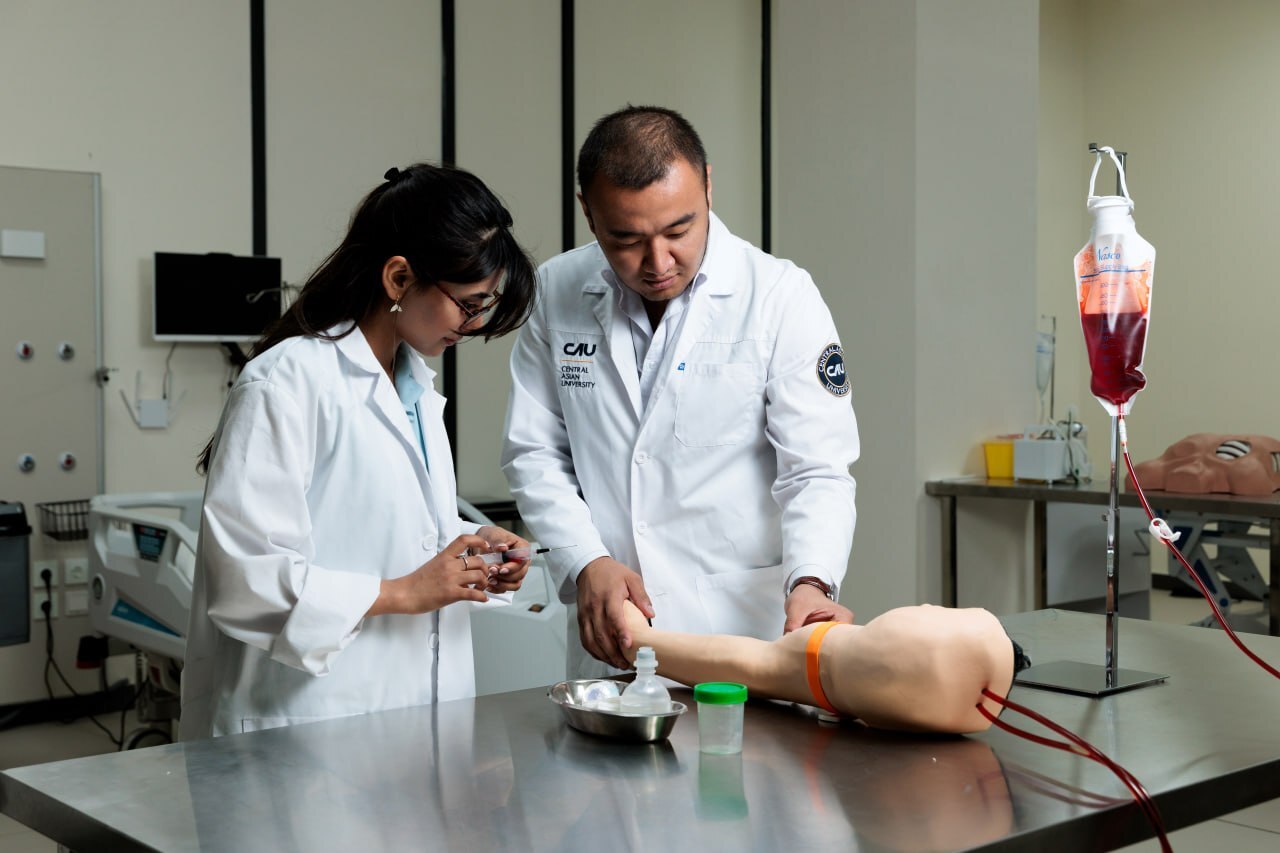
To future students, Shavkat recommends making the most of every opportunity beyond the classroom—participating in research, attending conferences, volunteering, and gaining as much practical experience as possible. In his opinion, these experiences are what shape a strong and competent healthcare professional.
And finally, he leaves a phrase that guides himself:
“Just do it. Everything will work out over time. The most important thing is not to give up halfway.”