Central Asian University Brings Together the Tech Community at CAU Global Tech Summit 2026
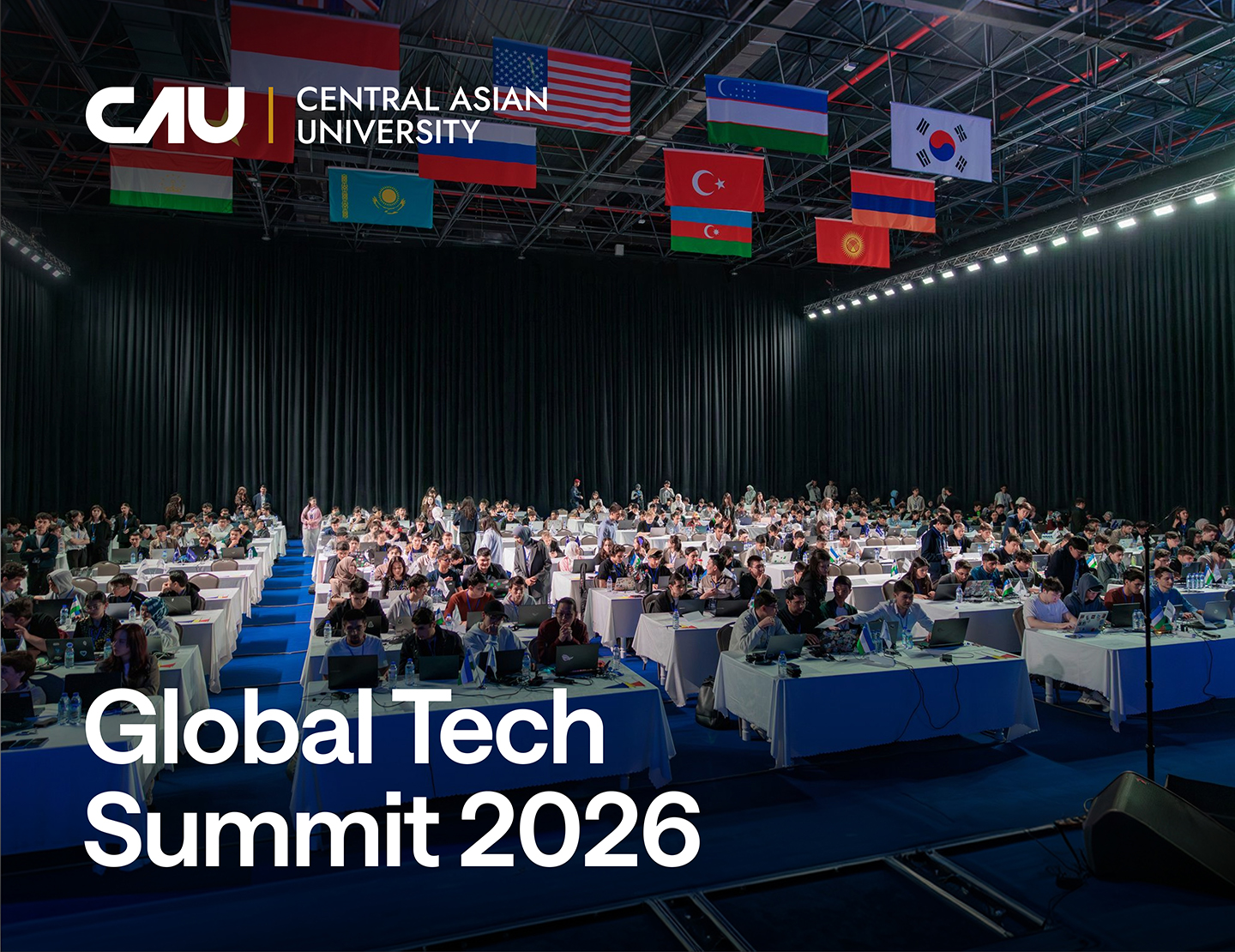
One of the biggest technological events in our region - Global Tech Summit 2026 - took place in Tashkent, hosted by Central Asian University.
The summit brought together over 1200 participants, more than 300 teams, and representatives from 17 countries. For several days, the university campus transformed into a fully operational tech environment where ideas rapidly evolved into practical solutions.
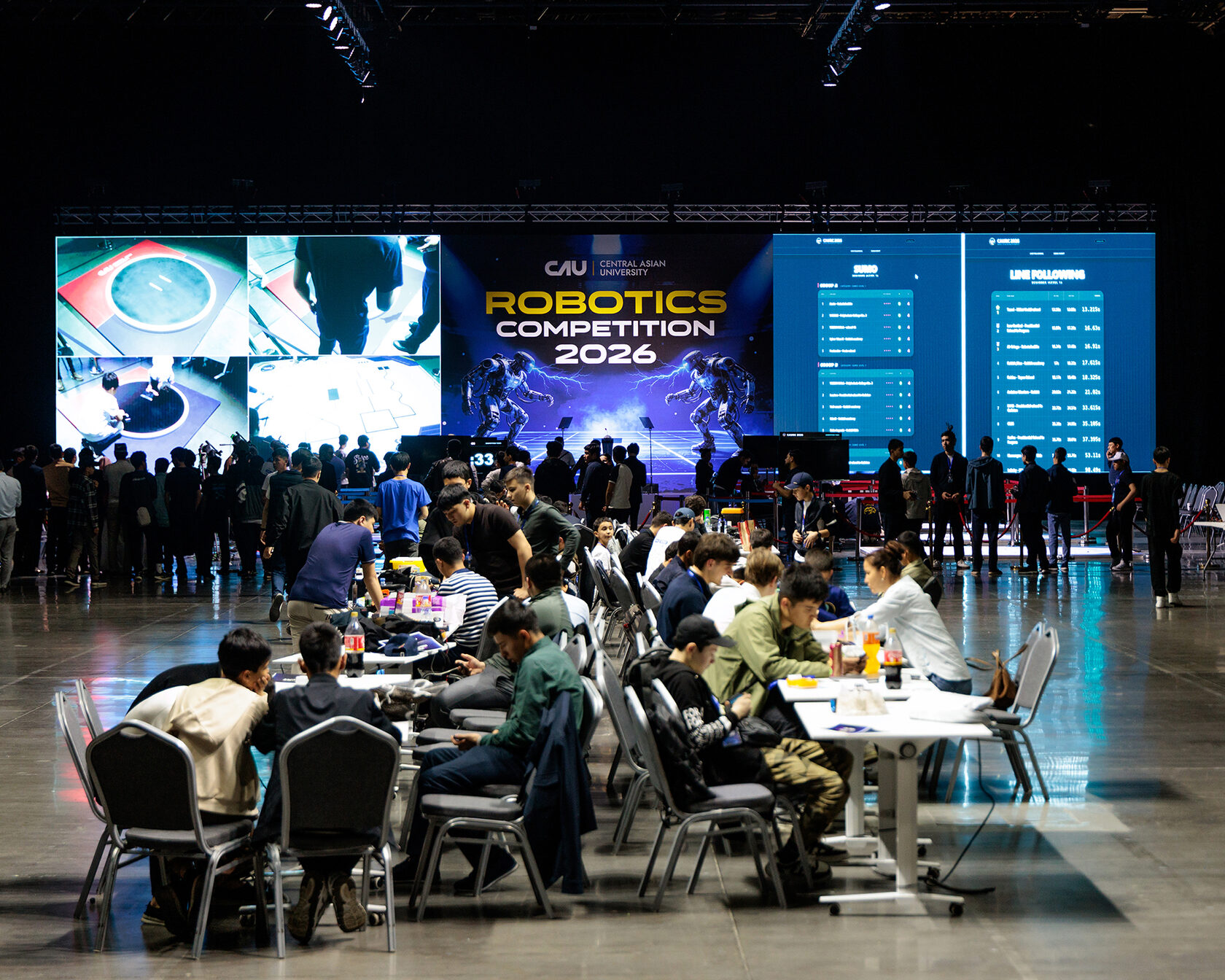
The event featured international competitions across the key tracks. In the hackathon dedicated to the AI in Healthcare, participants worked with real medical cases and datasets to develop solutions for healthcare challenges. In cybersecurity, teams identified vulnerabilities and defended systems in a CTF (Capture the Flag) format. The robotics competition brought together younger teams, who designed autonomous systems and demonstrated their performance in real-world competitions.
All solutions were developed under time constraints and intense competition - from initial concept to prototype and final pitch before an international jury. The total prize pool amounted to $38,000.
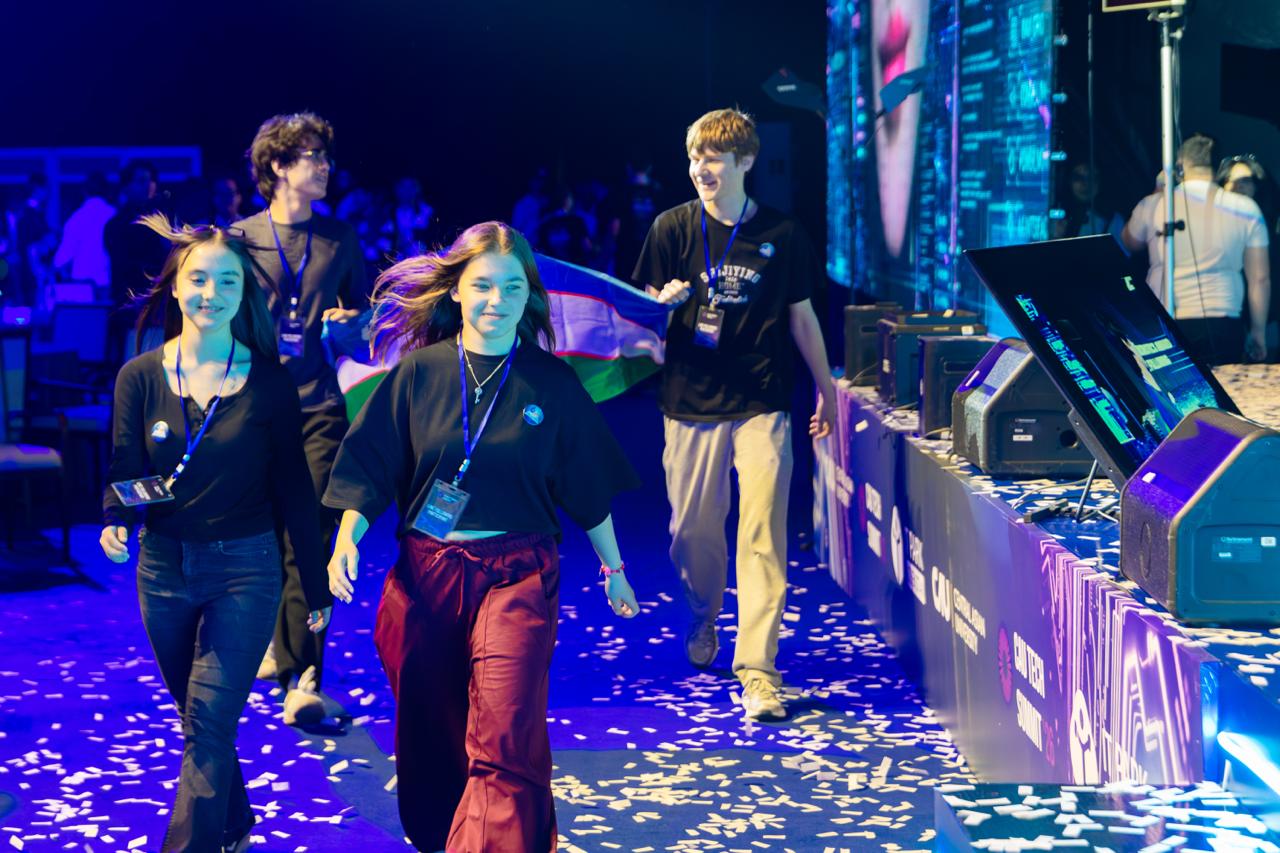
Winners of Cybersecurity CTF
1st place — Kazakhstan — DD0st4r
2nd place — Uzbekistan — MIX
3rd place — Kazakhstan — ctf_enjoyers
AI in Healthcare
1st place — USA — DeepBear
2nd place — Uzbekistan — Galacticos
3rd place — South Korea — ULSANER
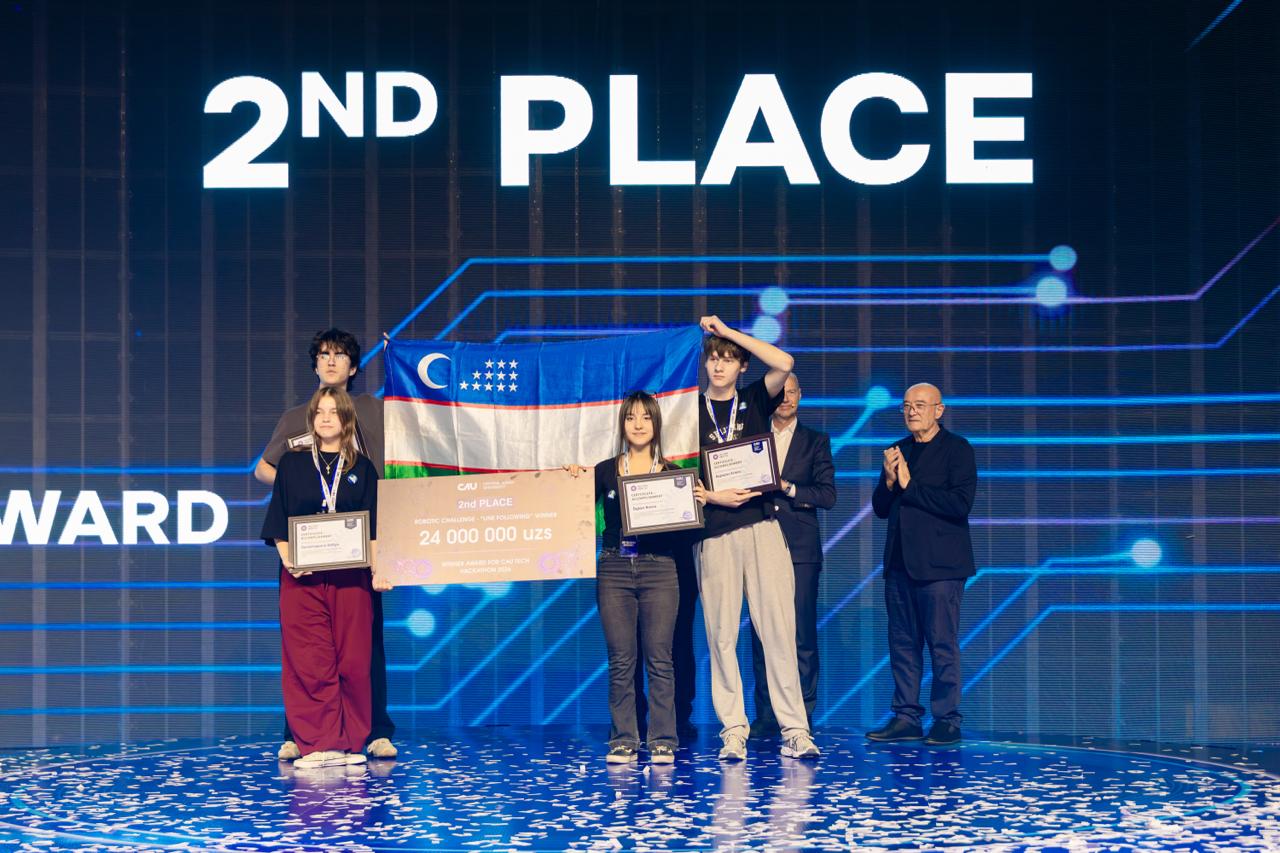
Robotics Competition:
Line Following:
1st place — Uzbekistan (Gulistan) — D110
2nd place — Uzbekistan (Tashkent) — GL-26
3rd place — Uzbekistan (Tashkent) — Robbit Max
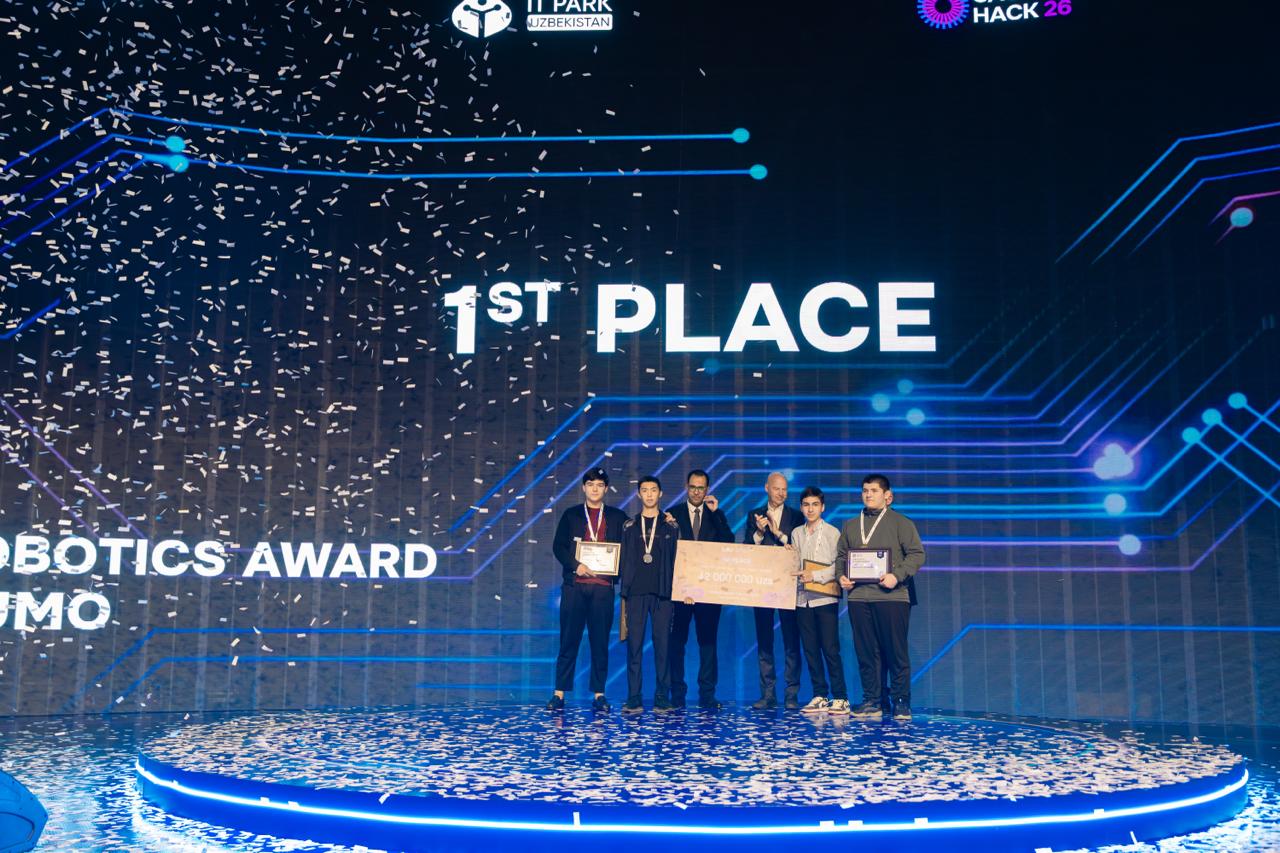
Mini Sumo:
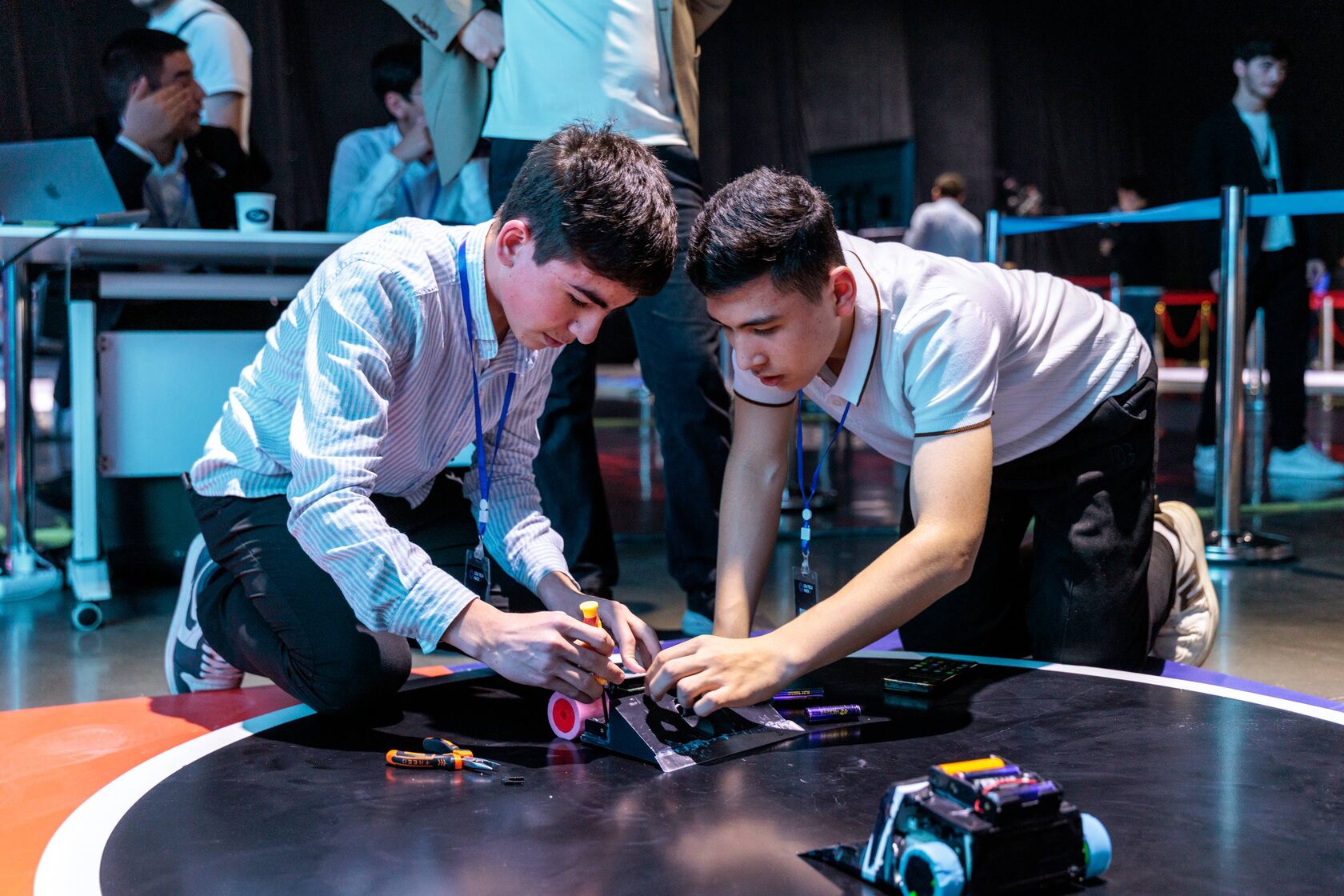
1st place — Uzbekistan (Tashkent) — Robotics Dev
2nd place— Uzbekistan (Samarkand) — Turon Samarqand
3rd place — Uzbekistan (Bukhara) — Yakhshi Bola
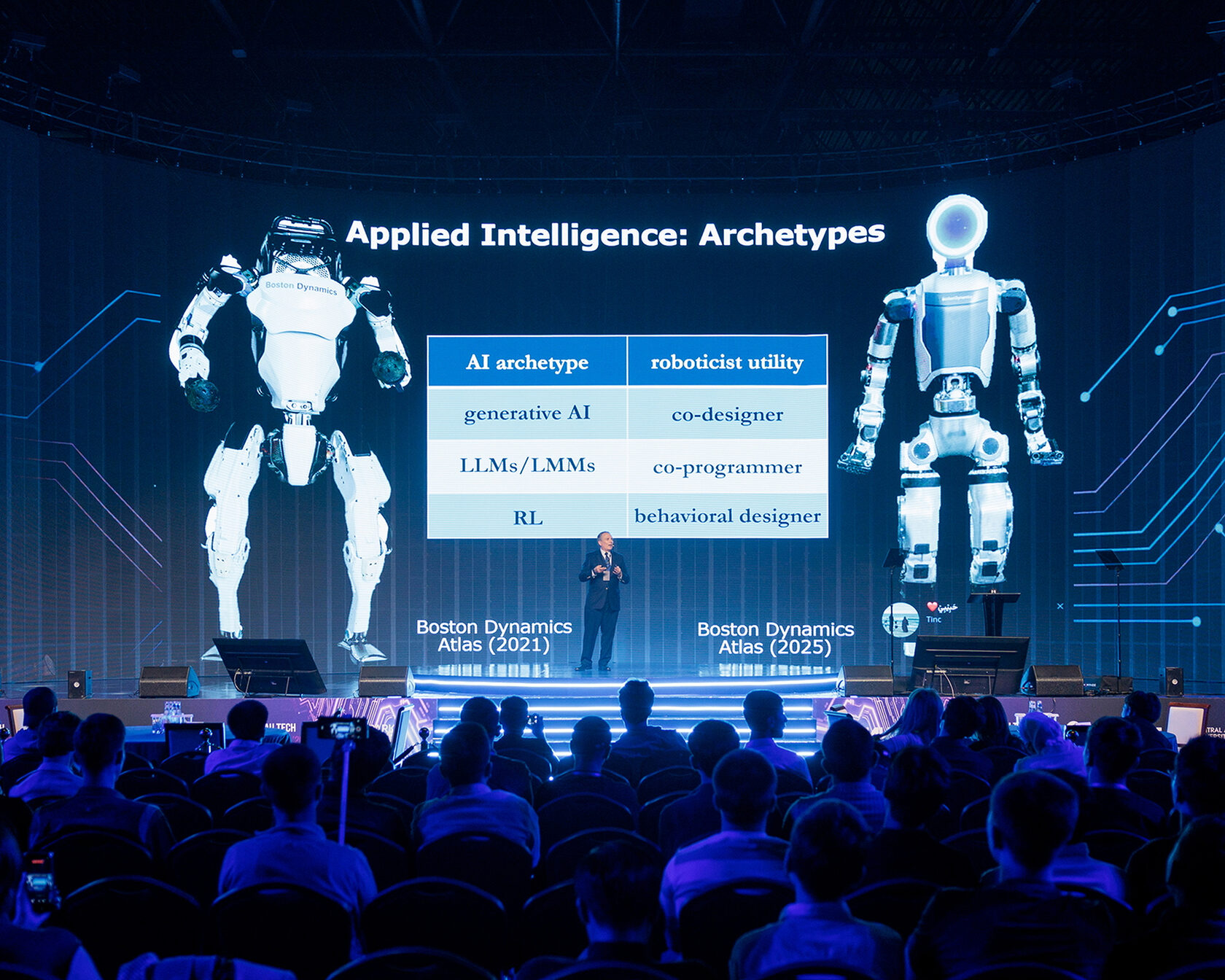
Alongside the competitions, the summit hosted a business program focused on the future of technology and the role of AI across industries. The discussions centered not on abstract trends, but on real-world implementation: integrating AI into existing systems, developing tech ecosystems, and transforming business, education, and healthcare.
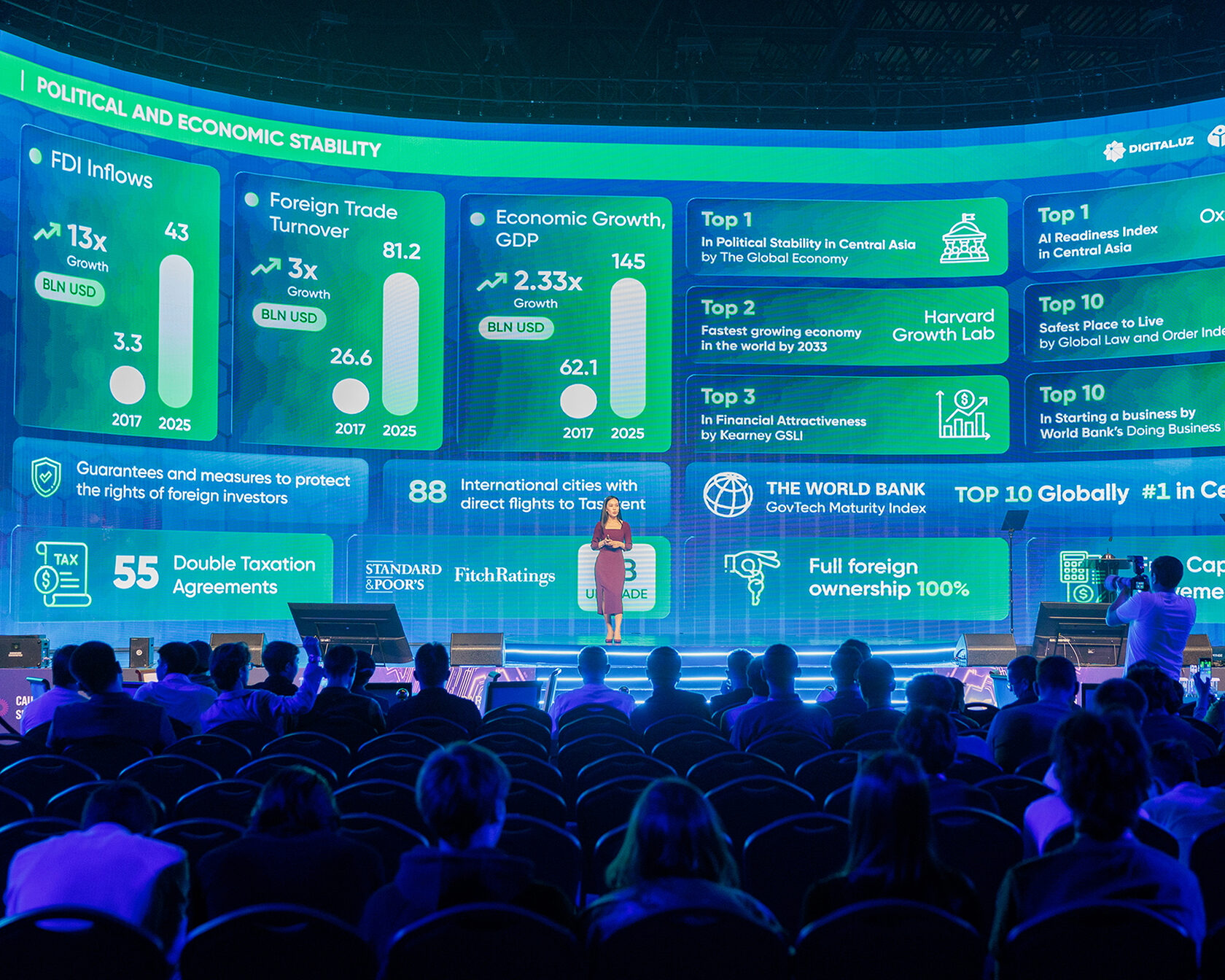
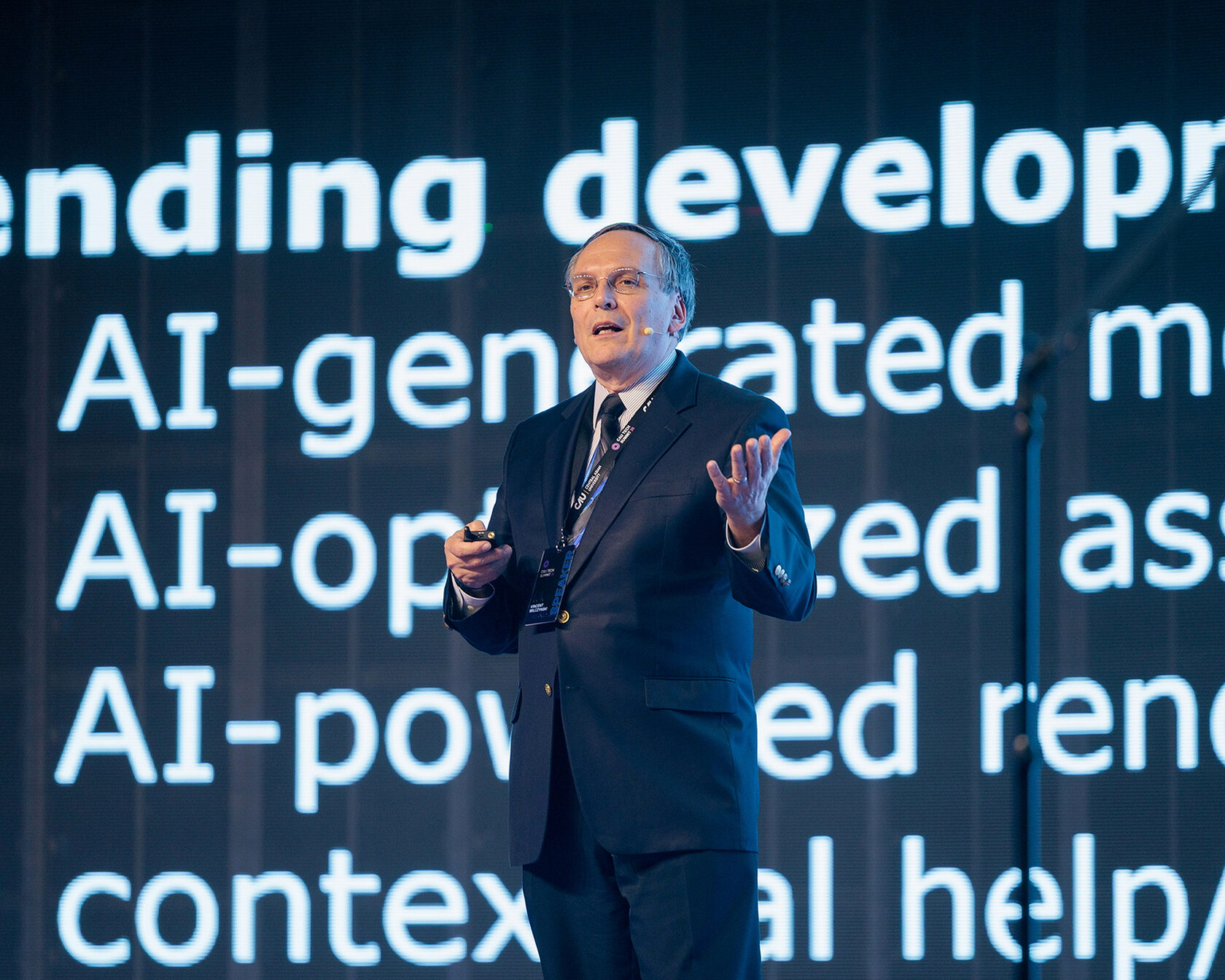
Among the key speakers were Sherzod Shermatov, Minister of Digital Technologies of the Republic of Uzbekistan; Fadi Ibrahim, Google Developer Expert (GDE) in Google Cloud; Vincent Wilczynski, Deputy Dean of the Yale School of Engineering; as well as representatives of the international tech and academic community.
– Students should focus on the fundamentals of their craft. Whether they’re designing buildings, producing TV shows, or reporting news, they need a solid foundation in their field. Tools like AI can enhance that foundation and help them reach higher levels of professional excellence. Students need to learn the theory behind AI, such as how large language models work, but they also need to apply it. Understanding the theory allows them to make informed judgments while using the tool, - reflected Vincent Wilczynski.
One of the keynote guests was Sebastian Thrun - Stanford University professor, founder of Udacity, and co-founder of Google X, widely recognized as one of the pioneers of the modern AI industry.
– The future of technology lies not only in virtual AI, but in systems that interact with the real world. This is where the greatest challenges and opportunities are, – he notes during his speech.

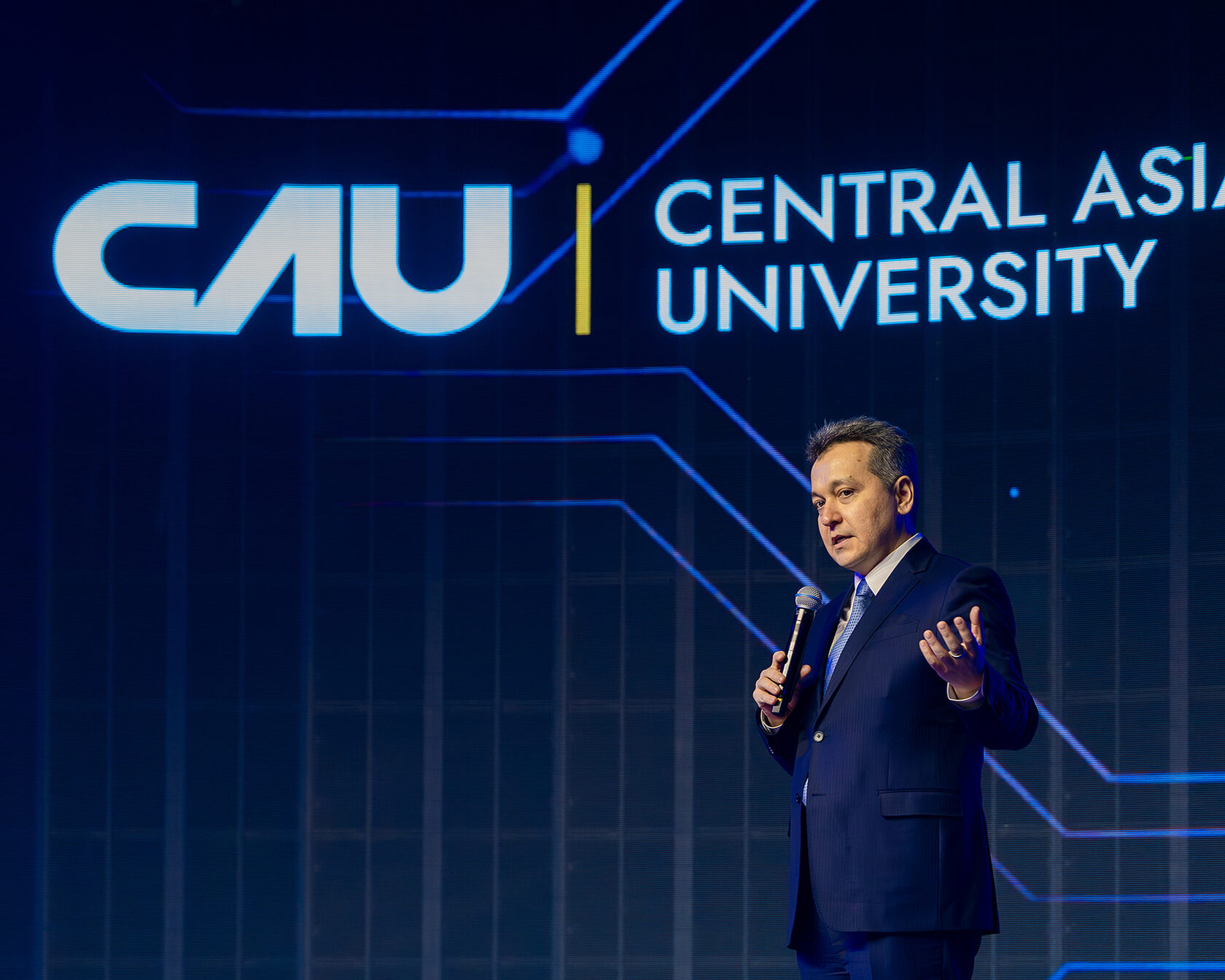
Kamran Gulamov, President of Central Asian University, announced the next phase in the development of its engineering direction – the creation of a technological platform within the School of Engineering that integrates artificial intelligence, cybersecurity, and robotics. This initiative also includes collaboration with the University of California, Berkeley and the launch of the UC Berkeley Hub. As part of this direction, the university plans to introduce an Executive MBA in Artificial Intelligence – the first program of its kind in the region – as well as expand initiatives aimed at developing tech startups in healthcare, fintech and smart city solutions.
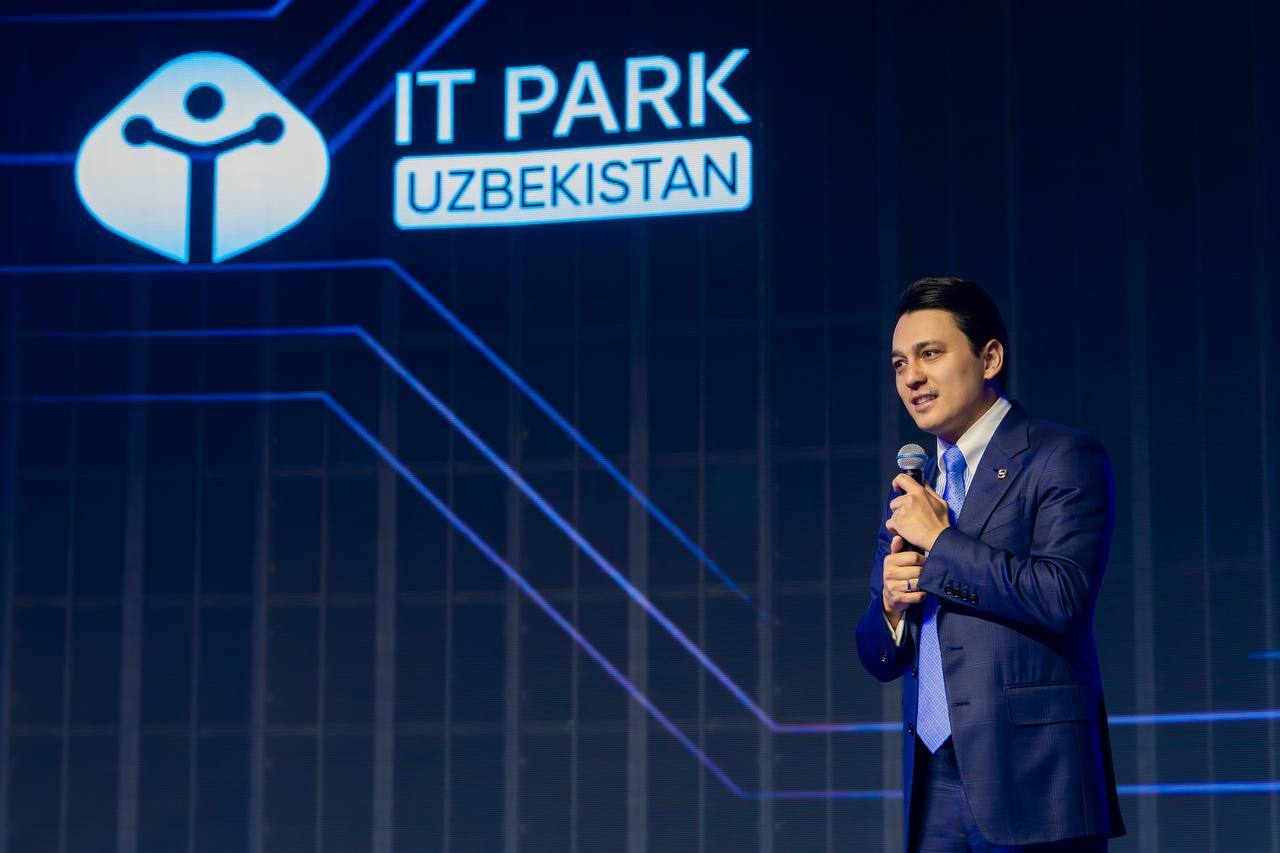
– The future belongs not to those who simply write code, but to those who can design and manage intelligent systems. Today, education must become a platform for building technologies, not just transferring knowledge, – said Kamran Gulamov, President of Central Asian University.
Central Asian University is evolving beyond a traditional educational institution into a hub where education, technology, and real industry challenges intersect.
Its key mission is to develop not only specialists, but also teams, products, and companies — a model in which the university becomes an active participant in the technology economy.
This approach lays the foundation for a leading tech hub in Central Asia — a space where solutions are built, teams are formed, and globally competitive projects are launched.