
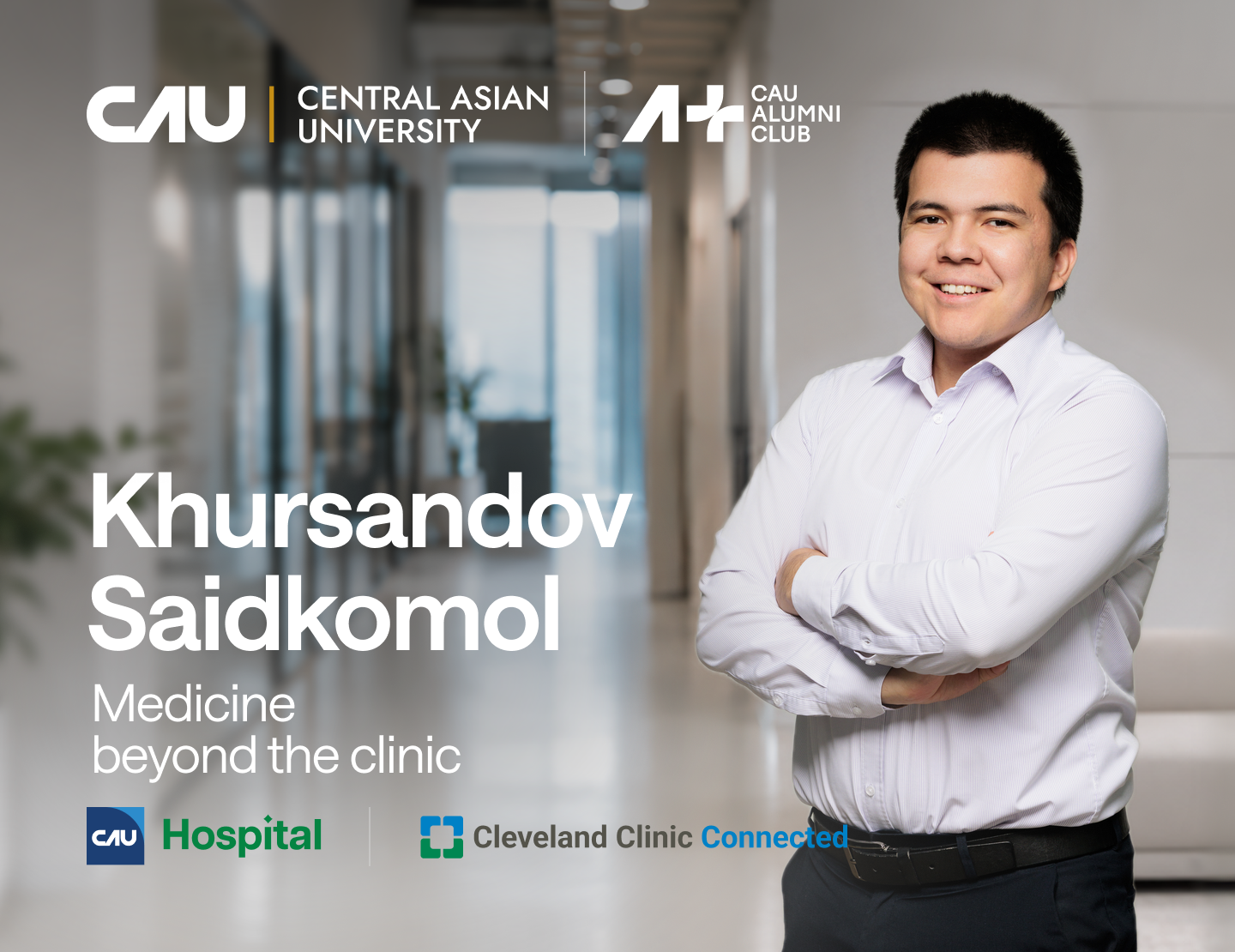
When Saidkomol Khursandov entered Central Asian University in 2019 to study General Medicine, he saw his future primarily in clinical medicine. He was interested in patients, diagnosis, and the work of a physician, and his career path seemed fairly straightforward: gain an education, develop his clinical skills, and help people.
Over the six years of his studies, that perspective gradually evolved. Today, Saidkomol combines his medical background with project management. He works on a subscription-based model for medical facilities under development by AKFA and is involved in the planning and medical procurement for the future CAU Hospital, which is being developed in collaboration with Cleveland Clinic.
Over the six years of his studies, that perspective gradually evolved. Today, Saidkomol combines his medical background with project management. He works on a subscription-based model for medical facilities under development by AKFA and is involved in the planning and medical procurement for the future CAU Hospital, which is being developed in collaboration with Cleveland Clinic.
Saidkomol’s decision to choose CAU in 2019 was largely a considered one. Among the key factors were the opportunity to study on a scholarship and the university’s fully English-language learning environment. However, it was his years at CAU that gradually shaped his professional perspective on medicine and his own career.
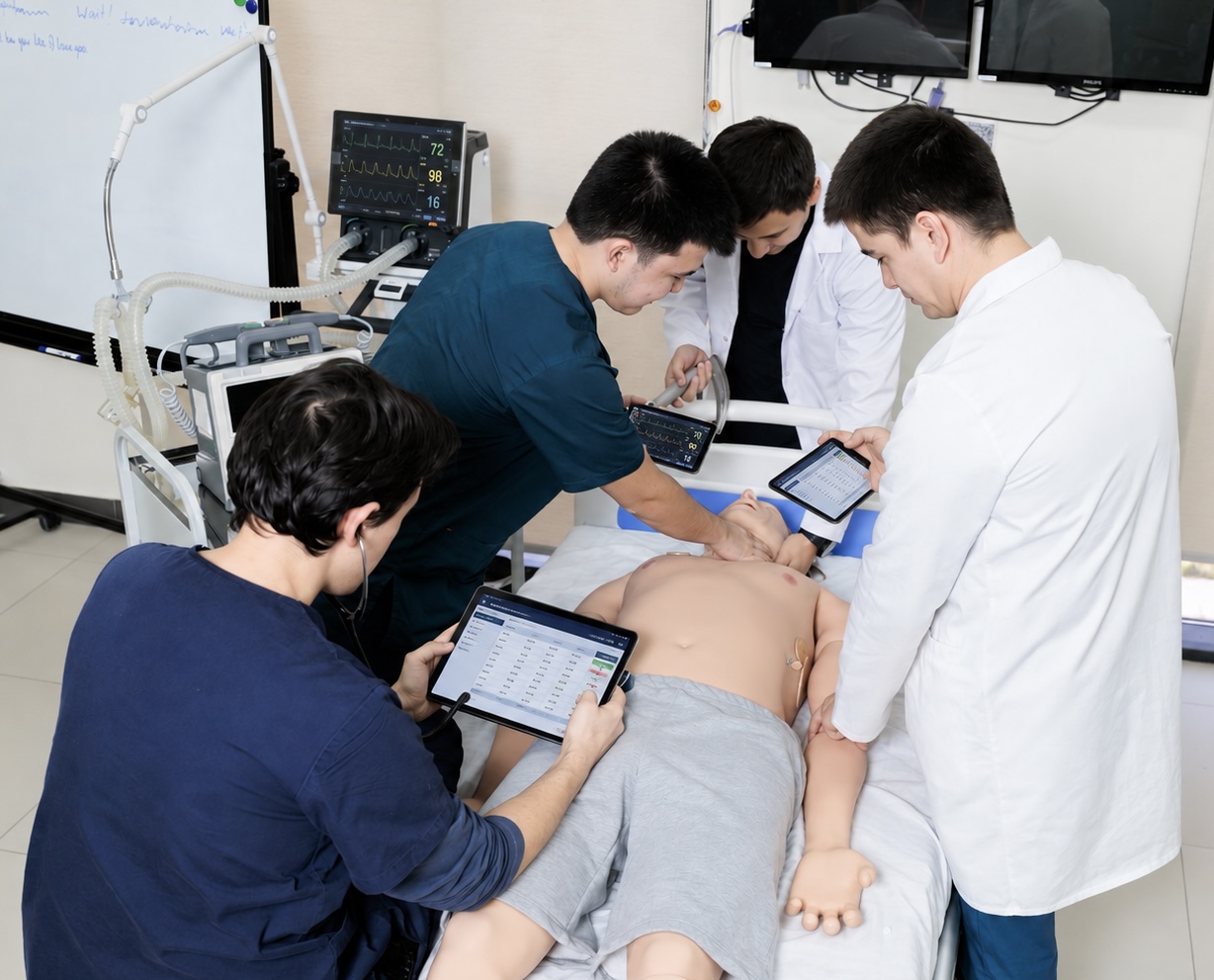
During his studies, he spent significant time in clinical settings, developed a deeper interest in neurology, worked with patients, and took shifts as a physician. This practical experience allowed him to see medicine not simply as a body of knowledge, but as a field where every decision carries real responsibility.
During his studies, he spent significant time in clinical settings, developed a deeper interest in neurology, worked with patients, and took shifts as a physician. This practical experience allowed him to see medicine not simply as a body of knowledge, but as a field where every decision carries real responsibility.
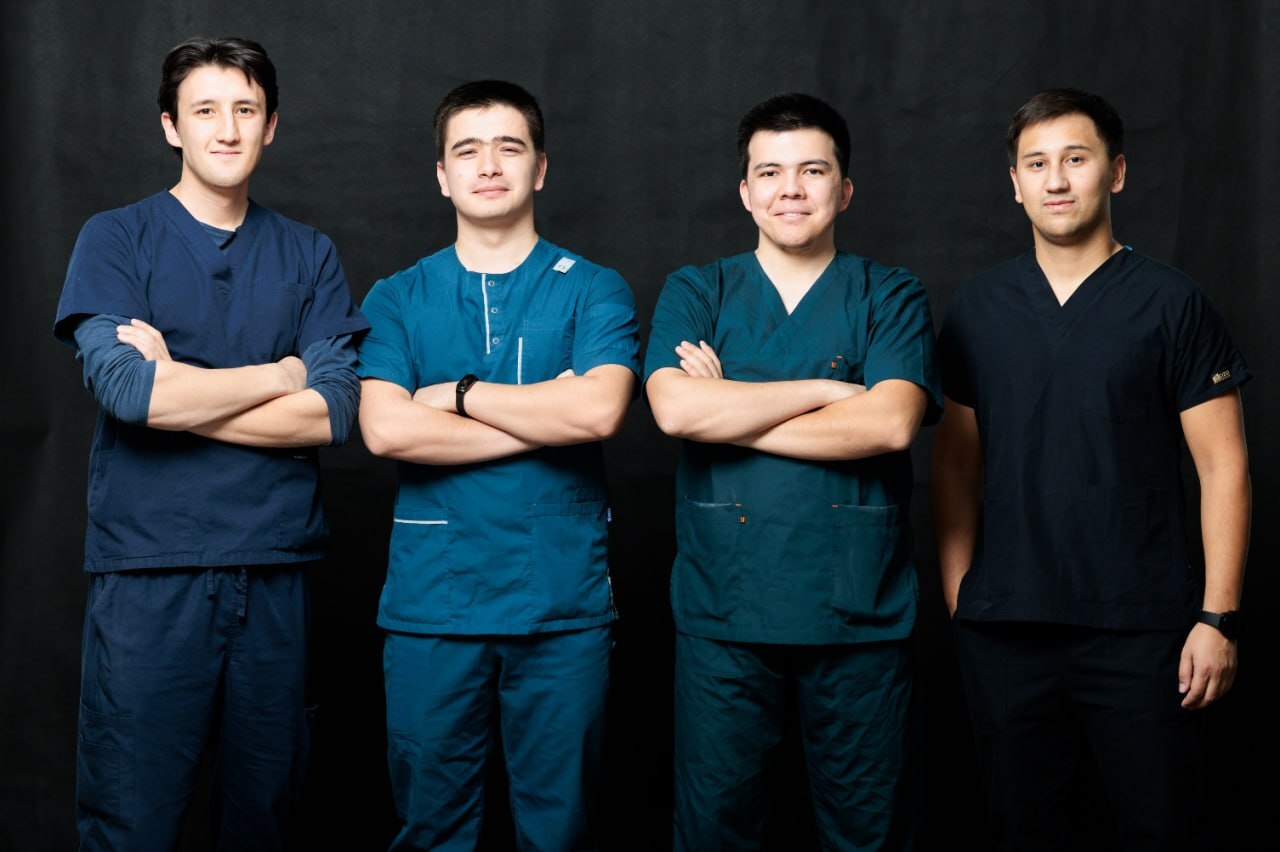
A turning point came during his sixth year. During one of his shifts, Saidkomol was the only specialist on duty, and a patient died following an unsuccessful resuscitation attempt. The experience made him look at the medical profession from a different perspective and think about how patient outcomes depend not only on the individual physician, but also on how effectively the healthcare system itself is structured.
“I saw medicine from the inside, with all its systemic challenges. It made me think about how I could contribute to healthcare not only by treating individual patients, but also by helping improve the system itself.”
“I saw medicine from the inside, with all its systemic challenges. It made me think about how I could contribute to healthcare not only by treating individual patients, but also by helping improve the system itself.”
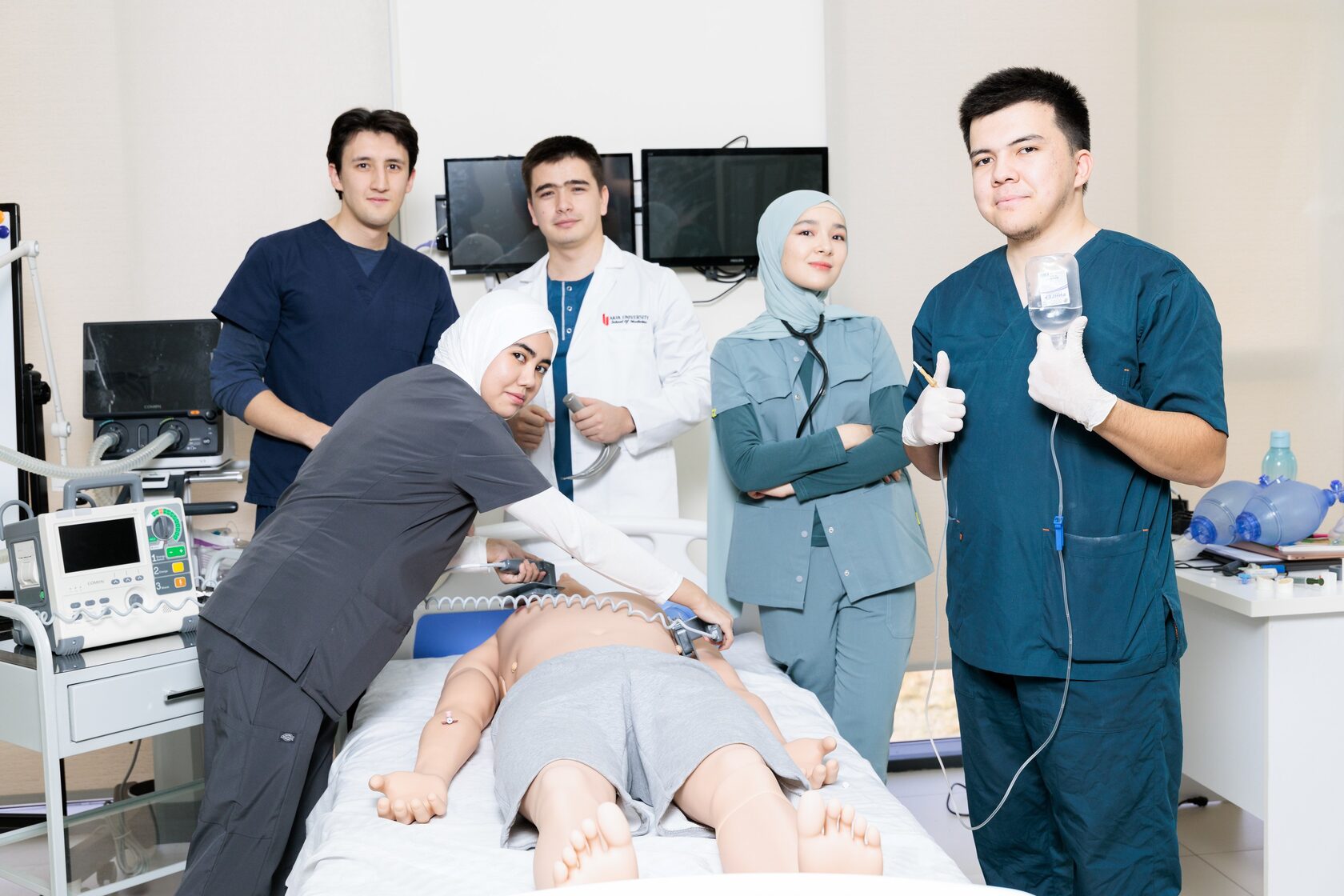
Alongside his clinical experience, Saidkomol had an opportunity to explore project work. One of his first significant projects was the upgrade of a medical simulation center. He was involved throughout the entire process, gaining his first insight into another side of healthcare — resource management, decision-making, and the development of large-scale projects.
This experience marked the beginning of a new professional direction. Saidkomol gradually moved into project work and became a project manager. Together with a team of five students, he began developing a subscription-based model for a future ecosystem of medical facilities under AKFA. The project is scheduled to launch in 2028.
Today, one of his key responsibilities is contributing to the planning and procurement of medical equipment for the future CAU Hospital. The role requires him to combine an understanding of medical needs with project planning, collaboration across teams, and decision-making in an environment where requirements and priorities can change quickly.
For Saidkomol, the opportunity to work at the intersection of medicine and management has become an important part of his professional development. His clinical knowledge helps him understand the needs of future healthcare facilities, while project work allows him to apply that knowledge at a broader, systemic level.
At the same time, moving beyond a purely clinical career path was not an easy decision. Saidkomol says stepping outside his familiar professional trajectory was a significant personal challenge. He does not, however, plan to leave clinical medicine behind completely and intends to continue his clinical training alongside his career in healthcare project management.
The CAU environment has also played an important role in his professional development. A competitive assessment system, demanding academic workload, and early exposure to practical tasks helped him develop discipline and a strong sense of responsibility for results. Even when he was hospitalized with COVID-19 during the pandemic, Saidkomol continued studying to maintain his academic standing.
“CAU taught me that there are no ready-made solutions in the workplace — you often have to build them yourself. That transition from studying to taking on real tasks and responsibility has been one of the most valuable experiences for me.”
Another important advantage, he says, was studying in English. Today, Saidkomol works with international materials, communicates with professionals from different backgrounds, and contributes to projects focused on the development of modern healthcare infrastructure. For him, English has become more than just part of his education — it is a tool that gives him access to international professional knowledge.
Today, his career lies at the intersection of two fields: medicine and management. When he first began his studies, Saidkomol primarily saw the impact of his work through helping individual patients. Now, he sees an opportunity to contribute to people’s health by helping build effective healthcare infrastructure.
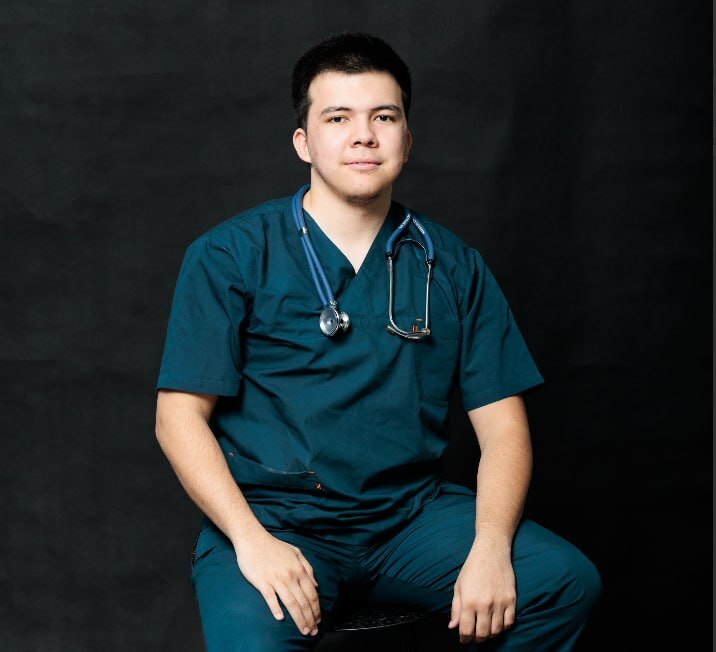
This is what he sees as the value of his current professional stage: the medical knowledge he gained at CAU is becoming a foundation for projects that can eventually have an impact not just on individual patients, but on a much broader healthcare system.
From his first clinical shifts to contributing to the development of new healthcare facilities, Saidkomol’s journey shows how a professional path can evolve with experience while remaining guided by one central goal: to contribute to the development of medicine and create meaningful impact for people.
From his first clinical shifts to contributing to the development of new healthcare facilities, Saidkomol’s journey shows how a professional path can evolve with experience while remaining guided by one central goal: to contribute to the development of medicine and create meaningful impact for people.
